What Does Vape Smell Like?
What Does Vape Smell Like?
Vaping has transformed nicotine consumption, offering an alternative to traditional cigarettes with a wide spectrum of flavors and aromas. Unlike the pungent, lingering smoke of combustible tobacco, vape vapor leaves behind a subtler, often more pleasant scent. But what exactly does vape smell like? The answer depends on the e-liquid ingredients, device type, flavor profiles, and even the environment in which it’s used. This article explores the olfactory dimensions of vaping, from sweet fruit blends to earthy herbal notes, and examines why these scents matter to users and bystanders alike.
The Science Behind Vape Aromas
Vape odor originates from the e-liquid—a mixture of propylene glycol (PG), vegetable glycerin (VG), flavorings, and nicotine. When heated, these components vaporize into an aerosol, releasing aromatic molecules into the air. PG is a nearly odorless compound that enhances flavor delivery, while VG contributes a faintly sweet undertone. The dominant scent, however, comes from the flavor additives, which range from synthetic fruit extracts to complex dessert-inspired blends.
For instance, Juice Head Salts’ Blueberry Lemon flavor combines tart citrus with sugary berries, creating a bright, zesty aroma reminiscent of summer beverages. In contrast, tobacco-flavored e-liquids like Four Seasons Salt mimic the earthy, smoky notes of traditional cigarettes but without the ashy bitterness. Dessert-inspired options, such as custard or caramel, emit a warm, buttery sweetness that lingers briefly before dissipating.
Common Vape Scent Profiles
1. Fruity and Citrus
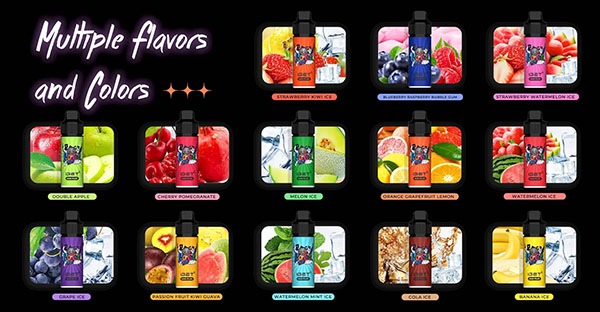
Fruit-flavored vapes dominate the market, offering scents like mango, strawberry, and watermelon. These aromas are often vibrant and tangy, evoking freshly cut fruit. For example, NKD 100 Max G-Box’s tropical blends release a juicy, tropical fragrance that can fill a room with the essence of ripe pineapple or passionfruit. Citrus flavors, such as lemon or lime, add a sharp, refreshing edge akin to peeling a citrus fruit.
2. Dessert and Bakery
Dessert-inspired vapes replicate the comforting smells of baked goods. Vanilla custard, cinnamon rolls, and chocolate fudge produce rich, sugary aromas. Brands like LegioX’s Custard Range use creamy vanilla and caramelized sugar notes to mimic the scent of a pastry shop. These fragrances tend to be heavier and linger slightly longer than fruit-based vapors.
3. Menthol and Mint
Menthol and mint flavors introduce a crisp, cooling sensation paired with a clean, medicinal aroma. Products like WET Salts Cucumber Crush blend mint with herbal undertones, creating a spa-like freshness. These scents are particularly effective at masking other odors, making them popular in shared spaces.
4. Tobacco and Herbal
Tobacco-flavored e-liquids aim to replicate the rustic, woody scent of traditional cigarettes but with a milder intensity. Four Seasons Desert Tobacco, for example, offers a smoother, almost nutty aroma. Meanwhile, dry herb vaporizers, such as the Titan 2 or E-CLIPSE, heat cannabis or botanical blends, releasing earthy, grassy, or floral notes depending on the strain.
5. Novelty and Experimental
The vaping industry continually experiments with unconventional scents. Buji Bars’ Mango Ice or Ripe Vapes Palm’s exotic blends might fuse tropical fruits with icy menthol, producing a layered aroma that shifts from sweet to sharp. Some brands even replicate nostalgic smells like cotton candy or cola.
Factors Influencing Vape Odor
1. Device Type
Pod Systems and Disposables: Compact devices like the Geek Vape Wenax Q or Freemax Gemm produce lighter, less intense aromas due to lower power output and smaller vapor clouds.
Box Mods and Sub-Ohm Tanks: High-wattage devices, such as the Maxus 2 Kit, generate dense vapor clouds that amplify scent dispersion. Dessert or custard flavors may smell stronger in these systems.
Dry Herb Vaporizers: Devices like the AGO Dry Herb Vaporizer release natural, plant-derived aromas. Cannabis strains with high terpene content, such as lavender or pine, can leave distinct herbal fragrances.
2. E-Liquid Composition
PG/VG Ratio: Higher PG concentrations enhance flavor clarity but reduce vapor density, leading to milder scents. High-VG blends create thicker clouds, making aromas more noticeable.
Nicotine Strength: Nicotine-free e-liquids often emphasize pure flavor, while nicotine salts (e.g., Juice Head Salts) may add a faint peppery undertone.
3. Environmental Factors
Vape scent behaves differently indoors versus outdoors. In enclosed spaces, vapor particles settle faster, leaving a fleeting trace. Outdoor vaping disperses aromas quickly, making them nearly undetectable within seconds. Humidity and airflow also play roles—dry air may cause scents to fade faster, while stagnant air prolongs their presence.
Societal Perceptions of Vape Odor
1. User Preferences
Many vapers prioritize discretion, opting for flavors like menthol or unflavored options to avoid drawing attention. Others embrace bold scents as a form of self-expression, choosing dessert or fruit profiles to leave a pleasant impression.
2. Bystander Reactions
Unlike cigarette smoke, which is universally recognized as unpleasant, vape aromas receive mixed responses. Fruit and mint scents are often tolerated or even enjoyed, while dessert flavors may be perceived as cloying in close quarters. However, dry herb vaporizers, particularly those used for cannabis, can polarize bystanders due to their earthy, skunky notes.
3. Regulatory and Cultural Debates
The appeal of sweet vape aromas has sparked regulatory concerns. Critics argue that candy-like scents (e.g., Naked 100 Max G-Box’s tropical blends) attract underage users, prompting flavor bans in some regions. Conversely, proponents highlight vaping’s role in harm reduction, noting that pleasant odors make transitioning from smoking easier.
How Long Does the Smell Last?
Vape scent is transient compared to cigarette smoke. On average, the aroma dissipates within 10–30 seconds outdoors and 2–5 minutes indoors, depending on ventilation. Residual odors may cling to fabrics or hair briefly but lack the stubbornness of tobacco residue. Devices with minimal vapor production, like the Suorin Air Plus, leave almost no trace, while cloud-chasing mods may temporarily perfume a room.
The smell of vaping is as diverse as its flavors. While the scent is generally less intrusive than cigarette smoke, its characteristics depend on device mechanics, e-liquid ingredients, and user preferences. As vaping evolves, so too will its aromatic landscape, reflecting cultural trends, regulatory shifts, and innovations in flavor science. For now, vapers and bystanders alike navigate this olfactory spectrum, where every puff tells a story through scent.
What Vapes Are FDA Approved in KY?
Related Article