How Do Vape Detectors Work?
How Do Vape Detectors Work?
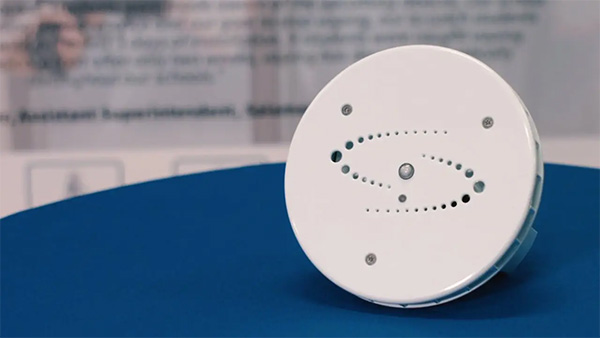
Vape detectors are specialized devices designed to identify and alert users to the presence of vaporized substances, such as those produced by e-cigarettes. These systems are increasingly deployed in schools, offices, and public spaces to enforce no-vaping policies. Below is a detailed explanation of their working mechanism, combining sensor technologies, data processing, and alert systems.
1. Core Components of Vape Detectors
Vape detectors rely on a combination of hardware and software components to function effectively:
Particulate Sensors: Detect airborne particles (e.g., propylene glycol or vegetable glycerin aerosols) using laser scattering or photoelectric principles.
Chemical Sensors: Identify volatile organic compounds (VOCs) like nicotine or flavoring agents through electrochemical reactions.
Sound Sensors: Recognize the distinct acoustic signature of vaping, such as the "puffing" sound.
Data Processing Unit: Analyzes sensor inputs in real-time, often leveraging asynchronous workflows similar to multi-threaded operations in software systems.
Alert System: Triggers notifications (e.g., SMS, emails, or alarms) via connected networks.
2. Step-by-Step Working Mechanism
Step 1: Environmental Monitoring
Air Sampling: Detectors continuously draw in air samples. Particulate sensors measure aerosol density, while chemical sensors screen for specific VOCs.
Sound Detection: Microphones monitor ambient noise for vaping-related audio patterns, such as high-frequency exhales7.
Step 2: Data Analysis
Signal Processing: Raw data from sensors is filtered to reduce false positives (e.g., distinguishing vapor from steam or dust). This process mirrors how browsers parse and prioritize network requests.
Algorithmic Matching: Machine learning models compare sensor data against predefined vaping signatures. For example, chemical sensors might flag nicotine concentrations above a threshold.
Step 3: Alert Activation
Immediate Notifications: When a vaping event is confirmed, the system triggers alerts through integrated platforms (e.g., building management systems or mobile apps). This resembles how web servers handle HTTP responses to client requests.
Logging & Reporting: Incidents are recorded with timestamps and sensor data for compliance tracking.
3. Advanced Technologies in Modern Detectors
Multi-Sensor Fusion: Combining particulate, chemical, and acoustic data improves accuracy. This modular approach is akin to how software frameworks like ABP manage component interactions.
Cloud Integration: Data is often uploaded to cloud servers for remote monitoring and trend analysis, utilizing network protocols similar to browser-server communication.
AI-Driven Calibration: Systems self-adjust sensitivity based on environmental baselines, reducing false alarms.
4. Installation and Calibration
Strategic Placement: Detectors are installed in high-risk areas (e.g., restrooms, locker rooms) at a height of 6–8 feet to optimize airflow sampling.
Initial Calibration: Baseline air quality metrics are established to account for normal background particles and gases.
Maintenance: Regular sensor cleaning and software updates ensure reliability, much like maintaining thread safety in multi-threaded applications.
5. Applications and Limitations
Use Cases: Schools, hospitals, airports, and workplaces use these devices to enforce no-vaping policies and protect air quality.
Challenges:
False positives from aerosols (e.g., perfumes or cleaning agents).
High installation costs for advanced multi-sensor systems.
Privacy concerns over audio monitoring in certain jurisdictions.
Conclusion
Vape detectors operate through a sophisticated interplay of sensor technologies, real-time data processing, and automated alert systems. By integrating particulate analysis, chemical detection, and sound recognition, they provide a robust solution for enforcing vaping restrictions. However, their effectiveness depends on proper calibration, placement, and ongoing maintenance. As technology evolves, AI and cloud-based analytics will further enhance their precision and usability.
For technical details on specific sensor algorithms or network protocols, refer to studies on asynchronous task handling and browser rendering engines.
Navigating Regulatory Waves: Challenges and Opportunities in Malaysia Vape Market
Related Article