Essential Vaping Knowledge: A Must-Read Guide for Users (2)
This article will reveal key knowledge about vapes, from their working principles to usage precautions, providing you with a comprehensive beginner’s guide. Whether you're a new vape user or an industry observer, this information will help you better understand all aspects of vapes. Stay tuned for future updates on vape-related topics.
1. Primary Kinds of Vapes
Heat-Not-Burn vs. E-Liquid Vaporization Vapes:
Heat-Not-Burn (HNB) Vapes:
Operate via low-temperature heating to release smoke from specially designed tobacco sticks (resembling traditional cigarettes). While they avoid combustion and reduce some harmful substances, they still contain nicotine.
E-Liquid Vaporization Vapes:
Use electrical heating to vaporize e-liquid. Common components include vegetable glycerin (VG), propylene glycol (PG), flavorings, and optional nicotine.
E-Liquid Classification:
Nicotine Vapes: Contain nicotine to satisfy addiction but pose health risks if overused.
Nicotine-Free Vapes: Provide the smoking experience without nicotine.
CBD Vapes: Contain cannabidiol (CBD) for functional purposes, legal in certain regions.
Large vs. Small Vapes:
Large Vapes:
High vapor output, powerful batteries, and stable heating. Bulkier and less discreet, suited for enthusiasts.
Small Vapes:
Compact, low vapor output, and portable. Ideal for casual use but with less stable temperature control.
Reusability Classification:
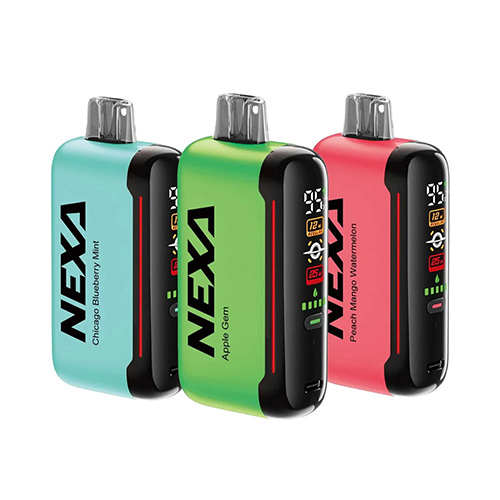
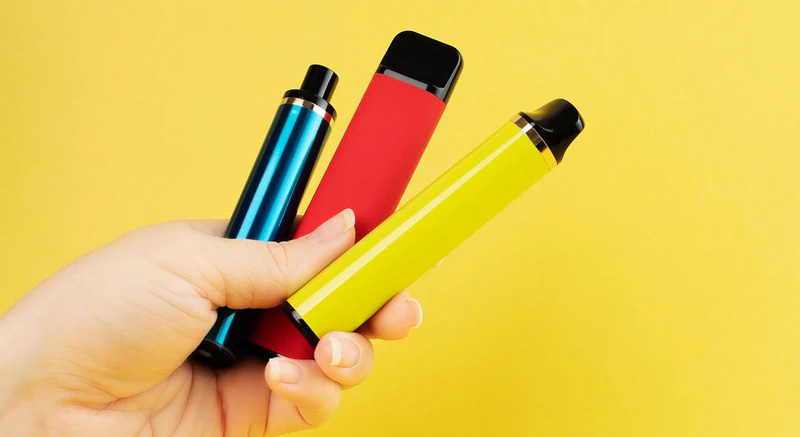
Disposable Vapes: Non-rechargeable, discarded after use. Affordable and user-friendly.
Refillable Pod Vapes: Rechargeable battery with replaceable pods. Cost-effective and customizable.
Refillable Tank Vapes: Reusable tanks for manual e-liquid refills. Economical but require maintenance.
2. Core Structure of Vapes
Vape Body:
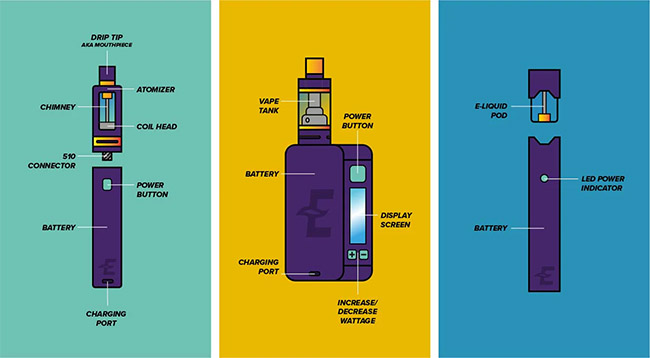
Contains a rechargeable lithium battery, control chip (manages power/temperature), and sometimes a display screen. Made of metal/plastic for durability.
Pod/Cartridge:
Includes a transparent e-liquid tank, atomizer coil (heating wire + wicking material), and mouthpiece (food-grade plastic/silicone).
Heating Wire:
The heating wire (or "resistance wire") directly vaporizes e-liquid. Its impedance varies with temperature, enabling temperature-control technology in modern vapes.
Atomizer Coil Types
By Wicking Material:
Cotton Coils: Affordable, fast absorption, but prone to leakage.
Ceramic Coils: Stable heating, better flavor, leak-resistant.
By Heating Element:
Includes traditional coils, mesh sheets, metal films, and porous metal designs.
Vaporization Methods
Resistance Wire Vaporization:
E-liquid is drawn via cotton/fiber to a heated coil. Cost-effective but less consistent.
Porous Ceramic Vaporization:
Integrated heating and wicking for smoother vapor and reduced leakage.
Silicon Microphone Sensor (MEMS)
A pressure-sensitive component that detects inhalation:
Contains a MEMS diaphragm and ASIC chip.
Converts airflow pressure into electrical signals to activate heating.
Child Safety Locks:
Mandatory in many countries (e.g. EU, US), these mechanisms prevent accidental use by children through:
Password locks
Fingerprint recognition
Pressure-activated triggers
Welcome to the inaugural installment of The Vape Essentials Series – your gateway to foundational industry knowledge. Let us now embark on a structured exploration of vaping technology and culture.
How Many Calories are in a Vape | A Scientific Perspective
Essential Vaping Knowledge: A Must-Read Guide for Users (1)
Related Article