Can I Leave My Vape in a Hot Car? Understanding the Risks and Solutions
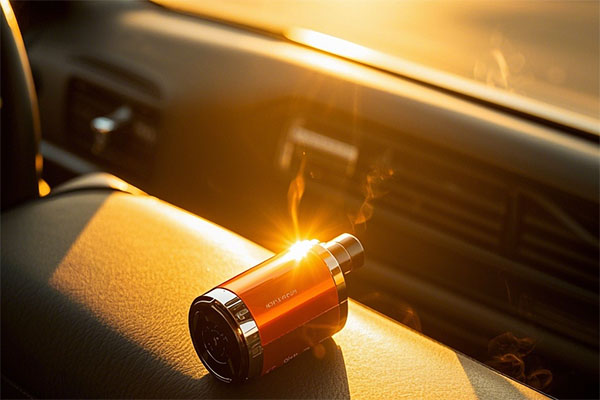
The question "Can I leave my vape in a hot car?" is more than a casual inquiry—it’s a critical safety consideration for millions of vape users. As temperatures inside parked vehicles can soar to dangerous levels, understanding the risks of storing vaping devices in such environments is essential. This article explores the science behind heat-related damage to vapes, practical consequences, and actionable solutions to protect both your device and yourself.
1. The Science of Heat and Vape Components
Vaping devices rely on delicate components, including lithium-ion batteries, e-liquid reservoirs, and plastic or metal housing. When exposed to high temperatures, each of these elements faces unique risks:
Lithium-Ion Batteries: These batteries power most vapes and are highly sensitive to heat. Prolonged exposure to temperatures above 95°F (35°C) can destabilize the battery chemistry, leading to swelling, leakage, or even combustion. A car’s interior can exceed 120°F (49°C) on a sunny day, creating a literal ticking time bomb for vape batteries.
E-Liquid Degradation: High heat accelerates the breakdown of e-liquid ingredients like propylene glycol (PG) and vegetable glycerin (VG). This not only alters the flavor but may also produce harmful byproducts. For instance, nicotine can oxidize, reducing its potency and creating a harsher throat hit.
Structural Damage: Plastic components, such as tanks or mouthpieces, may warp or crack under heat stress. Similarly, metal parts can expand, compromising the device’s seals and leading to leaks.
Near-equivalent phrasing: Is it safe to store a vaping device in a vehicle during summer?
2. Real-World Consequences of Heat Exposure
Leaving a vape in a hot car isn’t just a theoretical risk—it has tangible, often costly outcomes:
Battery Failure: Stories of vapes exploding in cars are not urban legends. In extreme cases, thermal runaway—a chain reaction within the battery—can ignite the device, posing fire hazards. This mirrors challenges faced in the automotive industry, where electric vehicle batteries require rigorous thermal management systems to prevent similar disasters.
E-Liquid Leaks: Heat thins e-liquids, increasing the likelihood of leaks. Not only does this waste product, but leaked liquid can damage car interiors or, worse, come into contact with skin, causing irritation.
Reduced Device Lifespan: Consistent exposure to heat accelerates wear and tear. For example, a vape left repeatedly in a hot car may suffer from degraded coil performance or malfunctioning circuits, akin to how high temperatures strain automotive components like brake pads and engines.
Near-equivalent phrasing: What happens if you forget your vape pen in a parked car?
3. Myths vs. Facts
Let’s debunk common misconceptions:
Myth: "A short errand won’t hurt."
Fact: Even 10 minutes in a hot car can push temperatures to dangerous levels. A study by the National Highway Traffic Safety Administration (NHTSA) found that cars can heat up by 20°F (11°C) in just 10 minutes on an 85°F day.
Myth: "Storing it in the glovebox protects the vape."
Fact: While the glovebox may shield the device from direct sunlight, it doesn’t eliminate heat buildup. Enclosed spaces often trap heat, exacerbating the problem.
4. Practical Solutions for Vape Safety
To mitigate risks, adopt these strategies:
Avoid Leaving Vapes in Cars: Treat your vape like a smartphone—never leave it unattended in a vehicle. If unavoidable, use a insulated thermal bag to buffer temperature fluctuations.
Monitor Battery Health: Replace batteries showing signs of swelling or reduced performance. As seen in the automotive sector, proactive maintenance is key to preventing failures.
Store E-Liquids Properly: Keep e-liquids in cool, dark places. Refrigeration is unnecessary, but avoid prolonged exposure to heat or sunlight.
5. Industry Lessons and Future Innovations
The vaping industry can learn from sectors like automotive manufacturing, where thermal management is prioritized. For example:
Smart Temperature Sensors: Integrating sensors that alert users via smartphone apps when a device overheats.
Heat-Resistant Materials: Borrowing from high-performance vehicle designs, using alloys or ceramics to withstand extreme conditions.
The answer to "Can I leave my vape in a hot car?" is a resounding no. The combination of volatile batteries, sensitive e-liquids, and structural vulnerabilities makes vaping devices ill-suited for high-temperature environments. By adopting preventive measures and staying informed, users can safeguard their devices and enjoy a safer vaping experience. As technology evolves, innovations in material science and battery design may someday mitigate these risks—but until then, caution remains the best policy.
Learn more about e-cigarettes, please check out our category page.
Learn about Vape, please visit our products.
Does Vape Juice Expire? Understanding Shelf Life, Risks, and Safety
When Can I Vape After Wisdom Teeth Removal? Understanding Risks and Recovery