Can Vaping Cause Nosebleeds?
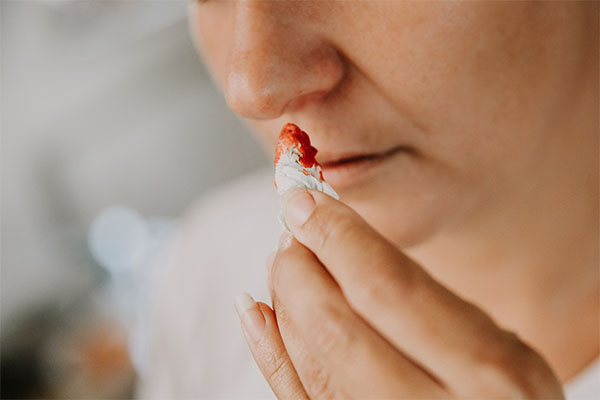
In recent years, vaping has surged in popularity as an alternative to traditional cigarette smoking. Marketed as a safer option, vapes are often praised for eliminating combustion-related toxins and reducing exposure to harmful chemicals. However, as vaping becomes more widespread, reports of unexpected side effects have emerged—including frequent nosebleeds among users. This raises an important question: Can vaping directly contribute to nasal bleeding? While research on the long-term effects of vaping is still evolving, evidence suggests that certain components in vape, combined with user habits, may irritate nasal passages and increase the risk of nosebleeds.
1.Understanding the Link Between Vaping and Nasal Health
To explore whether vaping can cause nosebleeds, it's essential to examine how vape aerosols interact with the nasal cavity. Unlike traditional smoking, which involves inhaling smoke from burning tobacco, vaping relies on heating a liquid (e-liquid) to create an aerosol. This liquid typically contains propylene glycol (PG), vegetable glycerin (VG), nicotine, and flavoring agents. While these substances are generally recognized as safe for ingestion, their impact on delicate nasal tissues when inhaled is less understood.
The nasal lining is a moist, vascularized membrane designed to filter and humidify inhaled air. Its health depends on maintaining adequate moisture and blood flow. When exposed to irritants, the nasal mucosa can dry out or become inflamed, leading to tiny cracks or ruptures in blood vessels—common precursors to nosebleeds.
The nasal lining is a moist, vascularized membrane designed to filter and humidify inhaled air. Its health depends on maintaining adequate moisture and blood flow. When exposed to irritants, the nasal mucosa can dry out or become inflamed, leading to tiny cracks or ruptures in blood vessels—common precursors to nosebleeds.
2.How Vaping Ingredients Affect Nasal Tissues
2-1.Propylene Glycol and Dehydration
Propylene glycol, a primary ingredient in most e-liquids, is hygroscopic, meaning it attracts and binds to water molecules. While this property helps create the visible vapor associated with vaping, it can also dehydrate surrounding tissues. When inhaled, PG may draw moisture from the nasal passages, leaving the mucous membranes dry and brittle. Over time, this dehydration weakens the nasal lining, making it more susceptible to minor trauma—such as blowing the nose or even breathing dry air—which can trigger bleeding.
2-2.Vegetable Glycerin and Thickened Mucus
Vegetable glycerin, another common e-liquid base, has a thicker consistency than PG. While it produces denser vapor clouds, its presence in the respiratory tract can alter mucus viscosity. Thicker mucus may impair the natural cleansing mechanism of the nasal passages, trapping irritants and bacteria. This stagnation can lead to inflammation, further compromising the integrity of nasal blood vessels.
2-3.Nicotine's Vasoconstrictive Effects
Nicotine, a stimulant found in many e-liquids, constricts blood vessels—a process known as vasoconstriction. While this effect is often highlighted in discussions about cardiovascular health, it also impacts nasal tissues. Reduced blood flow to the nasal mucosa slows the delivery of nutrients and oxygen necessary for tissue repair. Chronic vasoconstriction may delay healing of minor abrasions in the nose, increasing the likelihood of recurrent nosebleeds.
2-4.Flavoring Additives and Irritation
The wide variety of flavoring chemicals in e-liquides—such as menthol, cinnamon, or citrus—can also play a role. Many of these compounds are safe for consumption but become irritants when aerosolized and inhaled. For instance, menthol creates a cooling sensation by interacting with nerve receptors, but overstimulation can lead to localized inflammation. Similarly, acidic flavors may disrupt the pH balance of nasal secretions, exacerbating tissue sensitivity.
3.Behavioral Factors That Exacerbate the Risk
Beyond the chemical composition of e-liquids, vaping habits can further predispose users to nosebleeds:
Frequent Use: Heavy vapers who take frequent puffs may subject their nasal passages to continuous exposure to drying aerosols.
High-Power Devices: Advanced vaping devices that generate larger vapor volumes or higher temperatures may intensify mucosal dehydration.
Nasal Inhalation: Some users inadvertently direct vapor toward the nasal cavity during inhalation, especially when exhaling through the nose. This habit concentrates aerosol particles in the nostrils, increasing irritation.
Environmental Synergy: Vaping in dry climates or heated indoor environments can compound the dehydrating effects of PG and VG, creating a perfect storm for nasal dryness.
4.Clinical Observations and Anecdotal Evidence
While formal studies on vaping and nosebleeds remain limited, healthcare providers have noted a correlation. ENT specialists report treating patients with recurrent nosebleeds who are otherwise healthy except for regular vaping. In many cases, discontinuation of vaping leads to symptom resolution, suggesting a direct cause-and-effect relationship.
Anecdotal accounts from users also highlight patterns. Online forums and social media platforms feature discussions where individuals describe experiencing nosebleeds shortly after starting vaping or switching to high-nicotine e-liquids. Some note improvements after switching to PG-free liquids or reducing device power.
Anecdotal accounts from users also highlight patterns. Online forums and social media platforms feature discussions where individuals describe experiencing nosebleeds shortly after starting vaping or switching to high-nicotine e-liquids. Some note improvements after switching to PG-free liquids or reducing device power.
5.Preventive Measures for Vapers
For individuals who vape and wish to minimize the risk of nosebleeds, several strategies may help:
Stay Hydrated: Drinking plenty of water counteracts the dehydrating effects of PG and VG.
Use Humidifiers: Adding moisture to indoor air can alleviate nasal dryness.
Opt for Lower Nicotine Strengths: Reducing nicotine intake may lessen vasoconstriction.
Avoid Harsh Flavors: Steering clear of menthol or spicy flavors might reduce irritation.
Practice Nasal Care: Saline sprays or gels can help maintain nasal moisture.
6.The Need for Further Research
Despite growing concerns, the scientific community has yet to establish definitive causal links between vaping and nosebleeds. Most existing studies focus on lung health or cardiovascular risks, leaving nasal effects underexplored. Longitudinal research tracking vapers' nasal health, coupled with analyses of e-liquid formulations, could clarify the mechanisms at play.
While vaping is often perceived as a harmless alternative to smoking, its potential to cause nosebleeds should not be overlooked. The combination of dehydrating agents like propylene glycol, nicotine-induced vasoconstriction, and irritating flavor additives can collectively weaken nasal tissues, making them prone to bleeding. Behavioral factors, such as frequent use or high-power devices, amplify these risks. Until more conclusive data emerges, vapers experiencing recurrent nosebleeds should consider adjusting their habits or consulting healthcare professionals. As with many emerging technologies, the full spectrum of vaping's health impacts remains a subject of caution and ongoing inquiry.
Can I Vape After Lip Fillers? Understanding the Risks and Recommendations
Can Vaping Cause Canker Sores? Exploring the Connection