Can I Vape After Lip Fillers? Understanding the Risks and Recommendations
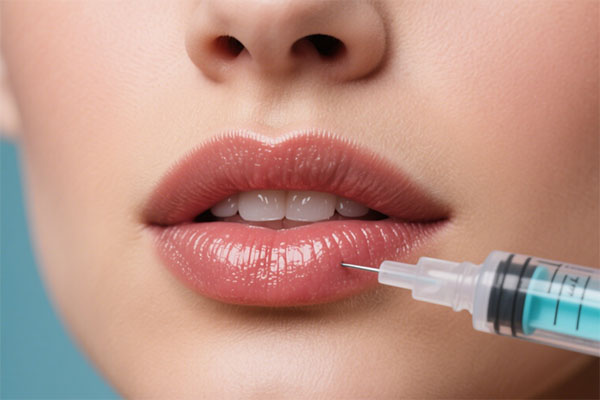
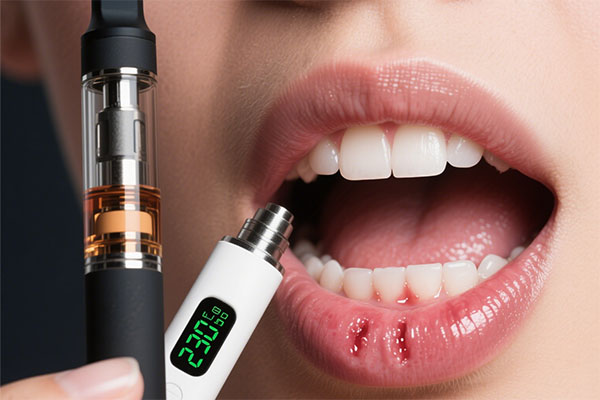
Lip fillers have become a popular cosmetic procedure for enhancing facial aesthetics, offering a quick and relatively non-invasive way to achieve fuller, more defined lips. However, the recovery process requires careful attention to ensure optimal results and minimize complications. One common question among patients is whether vaping—a habit many view as a safer alternative to smoking—is permissible after getting lip fillers. This article explores the potential risks of vaping post-procedure, explains how it might affect healing, and provides practical guidance for those navigating post-treatment care.Can i vape after lip fillers?
1.The Importance of Post-Treatment Care
Lip filler injections, though minimally invasive, involve introducing a foreign substance (typically hyaluronic acid) into the delicate tissues of the lips. This process creates temporary trauma to the area, triggering swelling, bruising, and sensitivity. Proper aftercare is critical to support the body’s healing response and ensure the filler settles evenly. Activities that interfere with circulation, introduce bacteria, or exacerbate inflammation can compromise results.
Common post-procedure guidelines include avoiding strenuous exercise, excessive heat (like saunas), alcohol consumption, and touching the treated area. These restrictions aim to reduce swelling, prevent infection, and promote even distribution of the filler. Vaping, while often perceived as harmless, falls into a gray area that warrants closer examination.
2.How Vaping Affects Lip Filler Recovery
To understand why vaping might pose risks, it’s essential to examine its physiological effects. Vaping involves inhaling aerosolized substances, typically containing nicotine, flavorings, and other chemicals. Here’s how these components could impact healing after lip fillers:
2.1 Nicotine and Blood Flow
Nicotine, a vasoconstrictor, narrows blood vessels and reduces circulation. Adequate blood flow is vital for delivering oxygen and nutrients to healing tissues. Restricted circulation may slow recovery, prolong swelling or bruising, and even contribute to uneven filler distribution. While vaping delivers nicotine in smaller doses than traditional cigarettes, its cumulative effect could still impede the healing process.
2.2 Chemical Irritants
The aerosols in vaping liquids contain propylene glycol, glycerin, and artificial flavorings. These substances can irritate mucous membranes, including the lips and mouth. Post-filler inflammation already stresses the area, and added irritation from vaping might worsen discomfort or trigger allergic reactions in sensitive individuals.
2.3 Dryness and Dehydration
Vaping is known to cause dry mouth and dehydration, which can indirectly affect lip hydration. Well-moisturized lips are crucial during recovery, as dryness may lead to cracking or peeling, increasing the risk of infection around the injection sites.
2.4 Infection Risks
The act of vaping involves repetitive lip movements, such as pursing or sucking. These motions could displace filler material before it fully integrates with the tissue, leading to asymmetry. Additionally, sharing vaping devices or touching the mouth frequently raises the risk of introducing bacteria to the injection sites.
3.Professional Recommendations
Most cosmetic practitioners advise avoiding vaping for at least 24–48 hours after lip filler injections. However, some experts extend this window to 1–2 weeks, depending on the patient’s health and the extent of treatment. Here’s why a longer hiatus might be beneficial:
3.1 Maximizing Filler Longevity
Hyaluronic acid fillers gradually break down as part of the body’s natural metabolic processes. Factors like poor circulation and inflammation—both linked to nicotine use—can accelerate filler degradation. Abstaining from vaping may help prolong the results.
3.2 Reducing Complications
Even minor complications, such as prolonged swelling or uneven texture, can detract from the desired outcome. Avoiding vaping minimizes variables that could interfere with smooth recovery.
3.3 Individual Variability
Healing rates vary between individuals. Patients prone to bruising or slow recovery may need to avoid vaping for longer periods. A personalized plan, developed in consultation with a provider, ensures the best outcome.
4.Alternatives to Vaping During Recovery
For those struggling to abstain from nicotine, alternatives like nicotine patches or gum offer a safer way to manage cravings without exposing the lips to heat, chemicals, or mechanical stress. Non-nicotine strategies—such as staying hydrated, chewing sugar-free gum, or engaging in relaxing activities—can also distract from the urge to vape.
5.Long-Term Considerations
While the immediate post-treatment period demands the most caution, patients should also weigh the long-term effects of vaping on lip health and filler maintenance. Chronic nicotine use contributes to collagen breakdown and skin aging, counteracting the youthful plumpness that lip fillers aim to achieve. Reducing or eliminating vaping altogether supports both aesthetic goals and overall wellness.
The allure of vaping might seem harmless compared to traditional smoking, but its risks in the context of lip filler recovery are significant. From impairing circulation to increasing infection risks, vaping introduces variables that could undermine the procedure’s success. Patients are encouraged to prioritize their investment in aesthetic enhancement by adhering to aftercare guidelines, including temporary abstinence from vaping. Consulting with a qualified provider ensures tailored advice, helping individuals navigate recovery confidently and achieve the best possible results.
By understanding the science behind these recommendations and committing to mindful aftercare, patients can enjoy their enhanced lips with minimal complications and lasting satisfaction.
Can You Vape While Driving?
Can Vaping Cause Nosebleeds?