Can Vaping Cause Canker Sores? Exploring the Connection
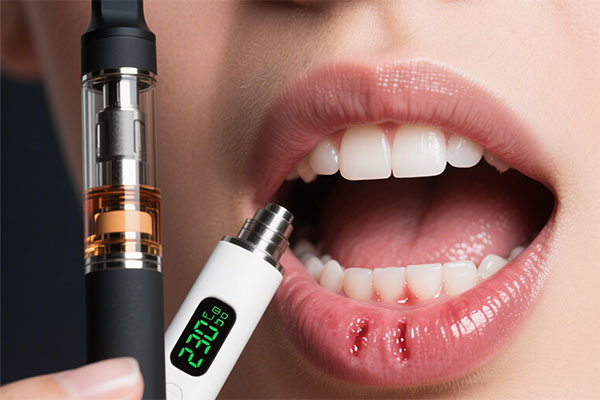
Canker sores, also known as aphthous ulcers, are small, painful lesions that develop inside the mouth. These shallow ulcers can appear on the tongue, inner cheeks, gums, or the roof of the mouth, making everyday activities like eating, drinking, or even talking uncomfortable. While their exact cause remains unclear, factors such as stress, hormonal changes, nutritional deficiencies, and minor mouth injuries are often linked to their development. In recent years, however, a new potential trigger has emerged: vaping. As vapes gain popularity, questions about their impact on oral health—particularly their role in causing canker sores—have sparked debate among researchers and users alike. This article examines the possible connection between vaping and these troublesome mouth ulcers, exploring the science behind vape ingredients, their effects on oral tissues, and practical steps to minimize risks.
1.Understanding Canker Sores
Before diving into the relationship between vaping and canker sores, it's essential to understand what these sores are and why they form. Canker sores are non-contagious lesions that typically appear as round or oval white or yellow spots with a red border. They fall into three categories:
- Minor aphthous ulcers: Small (less than 1 cm in diameter) and heal within 7–14 days.
- Major aphthous ulcers: Larger (over 1 cm) and deeper, taking weeks or months to heal, often leaving scars.
- Herpetiform ulcers: Clusters of tiny sores that merge into larger ulcers, resembling herpes lesions but unrelated to the herpes virus.
- While the exact cause is unknown, common triggers include:
- Trauma: Accidental bites, aggressive brushing, or dental work.
- Stress: Emotional or physical stress weakens the immune system.
- Diet: Acidic foods (citrus, tomatoes), spicy dishes, or deficiencies in vitamin B12, iron, or folate.
- Hormonal changes: Fluctuations during menstruation or pregnancy.
- Immune system issues: Conditions like celiac disease or Crohn's disease.
Given this complexity, identifying vaping as a potential contributor requires a closer look at how vapes interact with oral tissues.
2.How Vaping Affects Oral Health
Vaping involves inhaling aerosolized liquid (e-liquid or vape juice) through an electronic device. While marketed as a safer alternative to smoking, vapes are not risk-free. Their impact on oral health stems from their ingredients and the physical act of vaping:
1). E-Liquid Ingredients and Oral Irritation
Most e-liquids contain a blend of propylene glycol (PG), vegetable glycerin (VG), nicotine, and flavoring agents. Each component may play a role in oral irritation:
Propylene Glycol (PG): A common food additive, PG is hygroscopic, meaning it attracts and binds to water molecules. In the mouth, this can dry out mucous membranes, creating an environment prone to irritation and microtears. Dry oral tissues are more susceptible to injury from acidic foods, toothbrushes, or accidental bites—all of which can trigger canker sores.
Vegetable Glycerin (VG): Thicker and sweeter than PG, VG is less drying but can leave a sticky residue on teeth and gums. This residue may promote bacterial growth, indirectly increasing inflammation in the mouth.
Nicotine: A vasoconstrictor, nicotine reduces blood flow to oral tissues, impairing their ability to heal. It also suppresses immune responses, potentially prolonging the healing time of existing ulcers.
Flavoring Agents: Many vape juices contain chemicals like cinnamaldehyde (cinnamon), menthol, or citrus derivatives to mimic flavors. These compounds can irritate sensitive oral tissues, especially in individuals predisposed to canker sores.
2). Thermal and Mechanical Stress
The heating coils in vapes aerosolize e-liquid at high temperatures. Inhaling hot vapor—even at lower temperatures than traditional cigarettes—can cause thermal stress to the mouth's delicate lining. Repeated exposure may lead to inflammation or microscopic burns, creating entry points for bacteria or irritants. Additionally, the physical act of drawing vapor through a device can create suction pressure, potentially aggravating existing sores or sensitive areas.
3). Alterations in Oral Microbiome
Emerging research suggests that vaping disrupts the balance of bacteria in the mouth. A 2020 study found that vape users had higher levels of harmful bacteria like Porphyromonas gingivalis and Fusobacterium nucleatum, both associated with gum disease and oral inflammation. An imbalanced microbiome may weaken the mouth's natural defenses, making it easier for minor irritations to escalate into full-blown canker sores.
3. The Link Between Vaping and Canker Sores
While no studies have definitively proven that vaping causes canker sores, anecdotal reports and clinical observations suggest a plausible connection. Here's how vaping might contribute:
1). Dry Mouth (Xerostomia)
PG's dehydrating effect reduces saliva production, leading to dry mouth. Saliva is crucial for neutralizing acids, washing away food particles, and maintaining a healthy pH balance. Without it, the mouth becomes a breeding ground for irritation. Chronic dry mouth can also cause the tongue and cheeks to stick to teeth, increasing the likelihood of friction-induced injuries.
2). Chemical Irritation
Flavor additives like cinnamon or citrus may trigger sensitivities in some users. For example, cinnamaldehyde—a common cinnamon flavoring—has been shown to cause cytotoxicity in oral cells at high concentrations. Even low doses might provoke inflammation in susceptible individuals, creating an environment ripe for ulcer formation.
3). Delayed Healing
Nicotine's vasoconstrictive properties reduce blood flow to oral tissues, depriving them of oxygen and nutrients needed for repair. Combined with immune suppression, this could slow the healing of minor abrasions, allowing them to develop into persistent canker sores.
4). Immune Response Modulation
Some researchers hypothesize that vaping alters cytokine levels—proteins that regulate immune responses. An overactive immune system might mistakenly attack healthy oral cells, leading to ulceration. Conversely, a suppressed immune system could fail to contain minor infections, prolonging sore duration.
4. Reducing Risks: Tips for Vapers
For individuals who vape and experience recurrent canker sores, adopting preventive measures may help:
- Stay Hydrated: Counteract dry mouth by drinking water throughout the day.
- Choose PG-Free E-Liquids: Opt for VG-based juices to minimize dehydration.
- Avoid Harsh Flavors: Steer clear of cinnamon, citrus, or menthol flavors if prone to irritation.
- Maintain Oral Hygiene: Brush gently with a soft-bristled toothbrush and use alcohol-free mouthwash.
- Take Breaks Between Puffs: Allow oral tissues to recover from heat and vapor exposure.
While vaping is often perceived as harmless, its effects on oral health are still being uncovered. The combination of chemical irritants, dry mouth, and altered healing processes creates a plausible pathway for canker sore development. However, individual susceptibility varies widely, and not all vapers will experience ulcers. Those with a history of canker sores should monitor their symptoms and consider moderating or discontinuing vaping if sores persist. As research evolves, a clearer picture of vaping's long-term oral health impacts will emerge—but for now, caution remains prudent.
Can Vaping Cause Nosebleeds?
Can Vaping Cause Miscarriage?