Can I Vape Before a Fasting Blood Test?
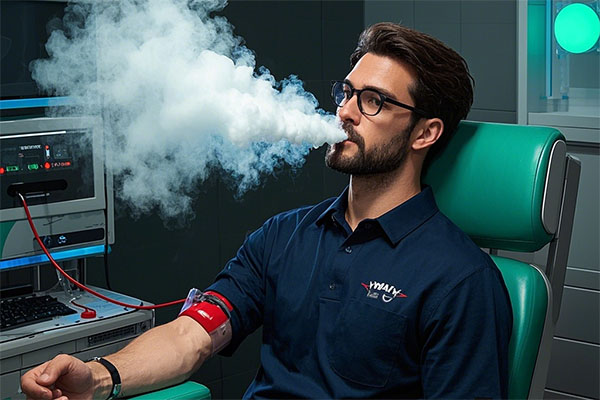
Fasting blood tests are a routine part of medical diagnostics, used to assess everything from cholesterol levels to blood sugar. Patients are typically instructed to avoid food and beverages (except water) for 8–12 hours before these tests to ensure accurate results. However, questions often arise about other habits that could interfere with lab work—specifically, vaping. With the rise of e-cigarette use, many wonder: Can you vape before blood work? The answer is nuanced, depending on factors like the components of vape juice, how long nicotine stays in the blood, and the specific test being performed. This article explores the science behind vaping and fasting blood tests, addressing critical questions such as how long does vape juice stay in your blood? and how long does nicotine stay in your blood after vaping?
Understanding Fasting Blood Tests
Fasting blood tests require abstinence from food and drink to eliminate variables that might skew results. For example, eating before a lipid panel can temporarily elevate triglyceride levels, while glucose tests are highly sensitive to recent carbohydrate intake. But what about substances like nicotine or chemicals in vape juice? Unlike food, these compounds are not always addressed in standard fasting guidelines, leaving patients uncertain about their impact.
Nicotine, the primary addictive component in vaping devices, is known to influence physiological processes. It stimulates adrenaline release, which can temporarily raise blood sugar and heart rate. Similarly, propylene glycol and vegetable glycerin—common vape juice bases—are metabolized by the body and may theoretically affect certain biomarkers. To determine whether vaping compromises fasting blood work, we must first examine how these substances interact with the body and how long they remain detectable in the bloodstream.
Components of Vape Juice and Their Metabolism
Modern vape juice contains a mix of nicotine, flavorings, and solvents like propylene glycol (PG) and vegetable glycerin (VG). When inhaled, these components enter the bloodstream through the lungs. PG and VG are generally recognized as safe by regulatory agencies, but their metabolic pathways are worth noting. PG breaks down into lactic acid and acetic acid, while VG is converted into glucose. Both processes occur within hours of inhalation, raising questions about whether these byproducts could influence fasting glucose or lactate levels.
Nicotine’s Impact on Blood Test Results
Nicotine’s short-term effects on the body are well-documented. It triggers the release of cortisol and adrenaline, hormones that increase heart rate, constrict blood vessels, and elevate blood glucose. For someone fasting before a blood test, even a small rise in glucose could skew results for conditions like diabetes. Similarly, nicotine-induced adrenaline spikes might alter cholesterol readings by temporarily increasing free fatty acids in the blood.
Research suggests that nicotine’s acute effects on glucose and lipid metabolism resolve within a few hours. However, chronic vaping could lead to sustained changes in biomarkers like hemoglobin A1c (a long-term glucose indicator) or inflammatory markers. For occasional users, the critical factor is timing: How long does vape juice stay in your blood? If nicotine and its metabolites clear before the test, the impact may be negligible. Yet, this depends on individual metabolism and the frequency of use.
How Long Do Vaping Byproducts Linger?
To minimize interference with blood tests, patients must consider the elimination rates of vaping-related substances. Here’s a breakdown:
1. Propylene Glycol (PG) and Vegetable Glycerin (VG):
These solvents are metabolized quickly. PG is eliminated within 3–6 hours, while VG’s breakdown into glucose occurs within 1–2 hours. For fasting glucose tests, vaping even a few hours beforehand could theoretically elevate readings due to VG’s conversion into sugar. However, the amount of glucose produced is typically minimal unless large volumes of vape juice are consumed.
2. Nicotine:
As mentioned, nicotine’s half-life is short (1–2 hours), but cotinine—its metabolite—can be detected in blood for up to 10 days in heavy users. For occasional vapers, cotinine levels drop significantly within 24–48 hours. Thus, the answer to how long does nicotine stay in your blood after vaping? depends on usage patterns. A single session may leave traces for a day, while habitual use extends this window.
3. Flavoring Chemicals:
Limited research exists on synthetic flavorants, but some compounds (e.g., diacetyl) have been linked to inflammation. Their presence in the bloodstream is likely transient, but chronic exposure could theoretically affect tests for liver function or inflammation markers like C-reactive protein.
Practical Recommendations for Vapers
Given the potential for vaping to influence test results, here are evidence-based guidelines:
For Glucose or Lipid Tests: Avoid vaping for at least 8–12 hours before the test. This allows nicotine’s acute effects on blood sugar and fatty acids to subside. If using high-VG juices, extend this window to 12 hours to account for residual glucose byproducts.
For Nicotine/Cotinine Testing: These tests screen for tobacco use, often for insurance or employment purposes. Since cotinine lingers for days, abstaining for 7–10 days is ideal to ensure a negative result.
General Fasting Tests: When in doubt, refrain from vaping during the fasting period. While PG and VG are unlikely to cause major disruptions, nicotine’s hormonal effects could still introduce variability.
The question Can you vape before blood work? lacks a one-size-fits-all answer. While vaping’s acute effects on blood tests are often minor, factors like nicotine’s adrenaline response and VG’s glucose conversion warrant caution. Patients should disclose their vaping habits to healthcare providers, who can tailor fasting instructions based on the specific tests ordered. For optimal accuracy, abstaining from vaping for 8–12 hours before a fasting blood test is a prudent approach—especially if the test measures glucose, lipids, or hormones sensitive to nicotine’s influence. Ultimately, understanding how long does vape juice stay in your blood and how long does nicotine stay in your blood after vaping empowers individuals to make informed decisions about their health.
Can You Vape While Breastfeeding? Navigating the Hidden Risks of Modern Nicotine Exposure
Can You Vape in a Hotel Room? Navigating Rules, Risks, and Discretion