Can Vaping Cause Miscarriage?
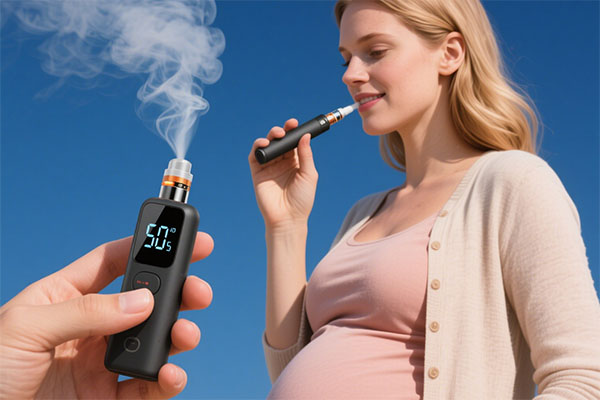
The rise of vaping as a perceived "safer alternative" to traditional cigarettes has sparked debates about its safety, particularly for pregnant individuals. While e-cigarettes eliminate tobacco combustion, they introduce a complex mix of chemicals, including nicotine, flavoring agents, and heavy metals, into the body. Emerging research suggests these substances may interfere with fetal development and increase the risk of miscarriage. This article explores the biological mechanisms, current evidence, and expert recommendations surrounding vaping during pregnancy.
1.The Chemical Composition of E-Cigarettes
E-cigarettes heat liquid cartridges containing nicotine, propylene glycol, vegetable glycerin, and synthetic flavorings to produce inhalable aerosols. Unlike traditional cigarettes, which burn tobacco, vaping avoids tar and carbon monoxide. However, its aerosols are far from harmless. When overheated, propylene glycol and glycerin degrade into formaldehyde and acrolein—cytotoxic compounds linked to cellular damage. Flavoring agents like diacetyl, commonly used in dessert- or fruit-flavored vapes, are associated with lung toxicity and inflammation. Heavy metals such as nickel, lead, and chromium may also leach from heating coils into the vapor, posing additional risks.
The placental barrier, designed to protect the fetus, is not impervious to these ultrafine particles. Studies show that nicotine and other chemicals cross the placenta, directly exposing the developing embryo to toxins. For example, animal research indicates that nicotine alone constricts blood vessels, reducing oxygen and nutrient flow to the uterus. This creates a hostile environment for implantation and early fetal growth.
2.Nicotine's Direct Impact on Pregnancy
Nicotine, a primary component of most e-liquids, disrupts fetal development through multiple pathways. It binds to acetylcholine receptors in placental cells, triggering oxidative stress—a process where free radicals damage embryonic DNA. This damage can impair organ formation, particularly in the brain and heart. Additionally, nicotine alters gene expression through epigenetic changes, potentially leading to long-term developmental abnormalities.
Human and animal studies highlight nicotine's role in pregnancy loss. A 2021 study on mice exposed to nicotine vapor reported a 28% increase in fetal resorption (a proxy for miscarriage) compared to controls. In humans, epidemiological data from Johns Hopkins University found that pregnant individuals who vaped nicotine-containing products had a 1.5-fold higher risk of first-trimester miscarriage than non-users. These findings align with the U.S. Surgeon General's warnings that nicotine exposure during pregnancy harms lung and brain development in offspring.
3.Synergistic Toxicity: Beyond Nicotine
While nicotine is a known risk factor, vaping's danger may lie in the combined effects of its chemical cocktail. For instance:
- Formaldehyde and Acrolein: These compounds induce apoptosis (cell death) in placental tissue cultures, weakening the placenta's ability to sustain a pregnancy.
- Menthol Flavors: Commonly added to e-liquids, menthol enhances nicotine absorption while disrupting fetal thermoregulation.
- Vitamin E Acetate: Found in cannabis vapes, this thickening agent has been linked to placental inflammation in case reports.
The lack of standardized manufacturing further complicates risk assessments. FDA tests revealed that 93% of vape liquids contain unlisted additives, creating unpredictable toxin combinations. For example, some products labeled as nicotine-free were found to contain trace amounts, while others had mislabeled concentrations—posing accidental overdose risks.
4.Conflicting Evidence and Research Limitations
Proponents of vaping often cite a controversial UK National Health Service report claiming e-cigarettes are "95% safer" than smoking. However, this statistic refers to adult lung cancer risk, not pregnancy outcomes. Current studies on vaping and miscarriage face significant limitations:
- Small Sample Sizes: Many human trials rely on self-reported data from limited cohorts.
- Underreporting: Pregnant individuals may understate vaping use due to stigma or misconceptions about its safety.
- Dual Use: Most research does not isolate "vape-only" users from those who also smoke traditional cigarettes, muddying causality.
Despite these gaps, reproductive toxicologists classify vaping as "high-risk" during pregnancy due to mechanistic plausibility. As Dr. Regan Theiler of the Mayo Clinic emphasizes, "No level of nicotine exposure is safe for a developing fetus. The precautionary principle must guide recommendations".
5.Recommendations for Mitigating Risk
- Preconception Cessation: Quit vaping at least three months before conception to eliminate residual toxins.
- Non-Nicotine Therapies: Opt for FDA-approved smoking cessation methods like cognitive behavioral therapy or nicotine-free medications.
- Policy Advocacy: Push for pregnancy-specific warning labels on vaping products and stricter regulation of e-liquid ingredients.
Vaping's rapid popularity has outpaced long-term safety research, leaving pregnant individuals in a precarious position. While definitive causal links between vaping and miscarriage require further study, the existing evidence—ranging from placental toxicity to nicotine's epigenetic effects—supports a precautionary approach. Avoiding e-cigarettes during pregnancy remains the safest choice to protect fetal health. As healthcare providers and policymakers grapple with evolving data, public education campaigns must dispel myths about vaping's safety and emphasize abstinence as the only risk-free option.
Can Vaping Cause Canker Sores? Exploring the Connection
Is Vaping Bad for Pregnancy?