Disposable vs Refillable Vape: Understanding the Key Differences
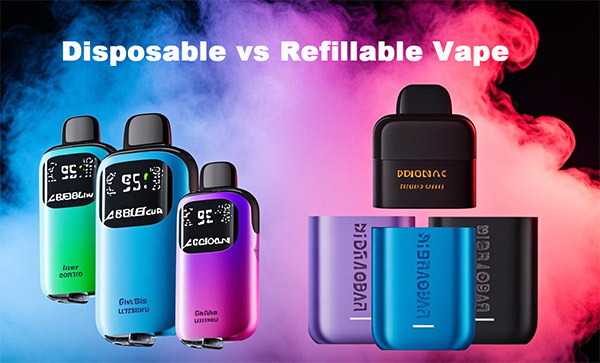
The vaping industry has evolved rapidly over the past decade, offering users a wide range of devices to suit different preferences. Among the most debated options are disposable and refillable vapes. While both serve the same fundamental purpose—delivering nicotine or flavored vapor—their design, functionality, and long-term implications vary significantly. This article explores the distinctions between disposable and refillable vapes, helping users make informed decisions based on their needs and priorities.
What Are Disposable Vapes?
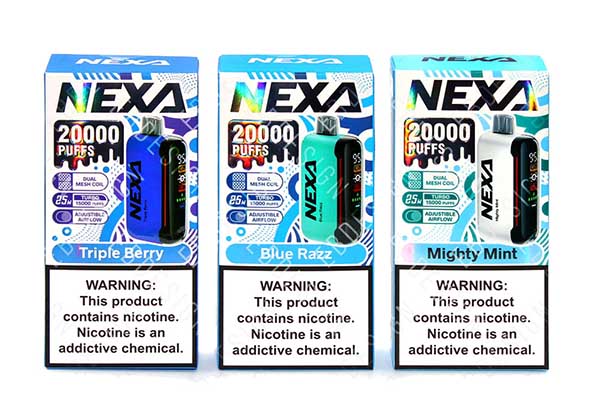
To understand the debate between disposable vs refillable vape devices, it’s essential to start with the basics. A disposable vape is a single-use, pre-filled vaping device designed for convenience. Unlike traditional e-cigarettes or refillable mods, disposable vapes come ready to use straight out of the packaging. They typically include a built-in battery, a pre-filled e-liquid reservoir, and a coil, all housed in a compact, lightweight body. Once the e-liquid is depleted or the battery dies, the entire device is discarded.
The appeal of disposable vapes lies in their simplicity. There’s no need for maintenance, refilling, or charging, making them ideal for beginners or casual users. Popularized by brands like IGET and ZOVOO, these devices often feature fruity or dessert-inspired flavors and deliver a consistent nicotine hit without requiring technical know-how. However, their "use-and-toss" nature raises questions about sustainability and long-term costs, which we’ll explore later.
What Is a Refillable Vape?
In contrast to disposable vapes, refillable devices—also known as open-system vapes—are built for repeated use. These systems consist of a rechargeable battery, a refillable tank or pod, and replaceable coils. Users manually fill the tank with their preferred e-liquid, which can range from freebase nicotine to nicotine salts, and replace coils as they wear out.
Refillable vapes cater to experienced vapers who prioritize customization and cost efficiency. Devices like the DRAGBAR S2 or DRAGBAR ICZ MAX series allow users to adjust airflow, wattage, and flavor intensity. Additionally, they generate less waste over time since only the e-liquid and coils need replenishing. While the upfront cost is higher, the ability to reuse the device makes refillable vapes a more economical choice for frequent users.
Disposable vs Refillable Vape: Key Comparisons
1. Convenience and Ease of Use
Disposable vapes excel in convenience. There’s no setup required—no charging cables, no e-liquid bottles, and no coil replacements. For someone traveling or seeking a hassle-free experience, a disposable vape is often the go-to option. However, this convenience comes at a price. Once the device is empty, users must purchase a new one, which can become costly over time.
Refillable vapes, while requiring more effort, offer greater flexibility. Users can switch flavors easily by cleaning the tank or using multiple pods. They’re also not limited to pre-filled flavors, allowing experimentation with countless e-liquid brands and nicotine strengths.
2. Cost Over Time
A disposable vape might cost between 5-15usd, depending on the brand and capacity. While this seems affordable initially, frequent users could spend hundreds annually. For example, a pack-a-day smoker transitioning to vaping might go through one disposable device every two days, amounting to 150 devices yearly.
Refillable vapes, despite higher upfront costs , save money in the long run. A 30ml bottle of e-liquid lasts weeks, and coils need replacement every 1–2 weeks. Over a year, this totals roughly significantly less than the disposable alternative.
3. Environmental Impact
The environmental debate is a critical aspect of disposable vs refillable vape systems. Disposable devices contribute to electronic waste (e-waste) due to their non-recyclable lithium batteries and plastic components. Millions of discarded vapes end up in landfills annually, leaching toxic chemicals into the environment.
Refillable vapes, while not entirely eco-friendly, generate far less waste. Only coils and e-liquid bottles are disposed of regularly, and many brands now offer recyclable packaging. Some users even rebuild coils to minimize their footprint further.
4. Performance and Customization
Disposable vapes are optimized for simplicity, not performance. Most operate at a fixed wattage and use high-nicotine salts (20–50mg/ml) to deliver a quick throat hit. However, battery life and vapor production are limited. Once the battery dies mid-use, there’s no way to revive the device.
Refillable vapes, on the other hand, cater to customization. Adjustable settings let users fine-tune vapor temperature, density, and nicotine intake. Sub-ohm tanks produce massive clouds for hobbyists, while pod systems mimic the discreet experience of disposables but with reusable hardware.
The Rise of Disposable Vapes: Why Are They So Popular?
To answer "what is disposable vape?" beyond its definition, we must examine its cultural and commercial appeal. Disposables surged in popularity during the 2020s, partly due to aggressive marketing targeting younger demographics. Their sleek, colorful designs and sweet flavors—like Blue Razz Lemonade or Mango Ice—resonate with Gen Z and casual users. Additionally, their availability at gas stations and convenience stores makes them accessible to non-enthusiasts.
However, this accessibility has sparked regulatory concerns. Critics argue that disposable vapes contribute to nicotine addiction among teens, prompting flavor bans in regions like the EU and certain U.S. states. Meanwhile, refillable devices face fewer restrictions, as they’re perceived as tools for smoking cessation rather than recreational gadgets.
When Does a Refillable Vape Make Sense?
Refillable systems are ideal for:
Long-term users: Saving money over time.
Flavor chasers: Experimenting with diverse e-liquids.
Sustainability advocates: Reducing e-waste.
Tech enthusiasts: Enjoying customizable features.
That said, disposables still have a niche. They’re perfect for travelers, social smokers, or anyone avoiding commitment to a device.
Balancing Convenience and Responsibility
The disposable vs refillable vape debate ultimately hinges on individual priorities. Disposables offer unmatched ease but at a financial and environmental cost. Refillables demand more effort but reward users with savings, flexibility, and reduced waste. As regulations tighten and environmental awareness grows, the industry may shift toward sustainable alternatives. For now, the choice remains personal—whether to prioritize momentary convenience or long-term value.
By understanding "what is a disposable vape" and how it contrasts with refillable systems, consumers can make choices aligned with their lifestyles, budgets, and values. Whether you’re a curious newcomer or a seasoned vaper, weighing these factors ensures a satisfying and responsible vaping experience.
When Can I Vape After Wisdom Teeth Removal? Understanding Risks and Recovery
Is Formaldehyde in Vapes?