How to Get Rid of Vape Rash?
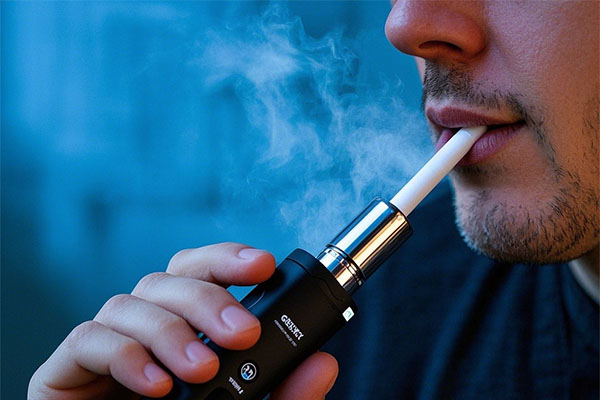
Vaping, once hailed as a safer alternative to smoking, has introduced a range of unexpected health concerns—one of which is vape rash. This irritating skin condition, increasingly reported by frequent vapers, manifests as redness, itching, or bumps and is often linked to ingredients in e-liquids or device materials. While not life-threatening, vape rash can cause discomfort and self-consciousness. This article explores the root causes of vape rash, answers critical questions like what does a vape rash look like and how long does vape rash last, and provides holistic recovery strategies involving diet, sleep, exercise, and lifestyle adjustments.
To Learn More Vape FQA
Understanding Vape Rash: Causes and Triggers
Vape rash typically stems from the body’s reaction to components in vaping products. E-liquids contain a mix of propylene glycol (PG), vegetable glycerin (VG), flavorings, nicotine, and occasionally allergens like nickel or artificial dyes. Here’s how these ingredients contribute to skin irritation:
-
Propylene Glycol Sensitivity: PG, a common base in e-liquids, is a known irritant. While generally recognized as safe for consumption, some individuals develop contact dermatitis when PG comes into contact with skin—especially around the mouth or hands. This reaction occurs as the immune system mistakenly identifies PG as a threat, triggering inflammation.
-
Flavoring Additives: Synthetic flavorings, such as cinnamon or citrus derivatives, can provoke allergic reactions. These chemicals may cause localized rashes or systemic responses if absorbed through mucous membranes.
-
Nickel or Metal Allergies: Low-quality vaping devices may leach trace metals like nickel into the vapor. For those with metal sensitivities, this can lead to rashes resembling eczema.
-
Dry Skin and Dehydration: VG, while less irritating than PG, is hygroscopic—meaning it draws moisture from the skin. Prolonged exposure to VG-heavy vapor can dehydrate the skin, leading to flakiness and itchiness.
-
Nicotine’s Impact: Nicotine constricts blood vessels, reducing oxygen and nutrient flow to the skin. Over time, this weakens the skin barrier, making it more susceptible to rashes and slower to heal.
What Does a Vape Rash Look Like? Identifying Symptoms
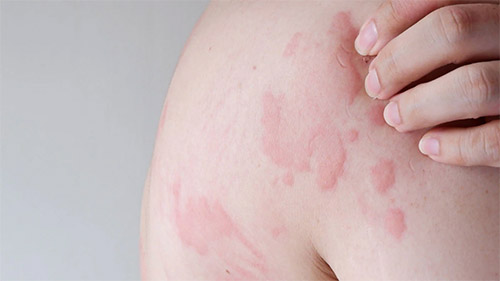
Recognizing a vape rash early is key to effective treatment. Symptoms vary but often include:
-
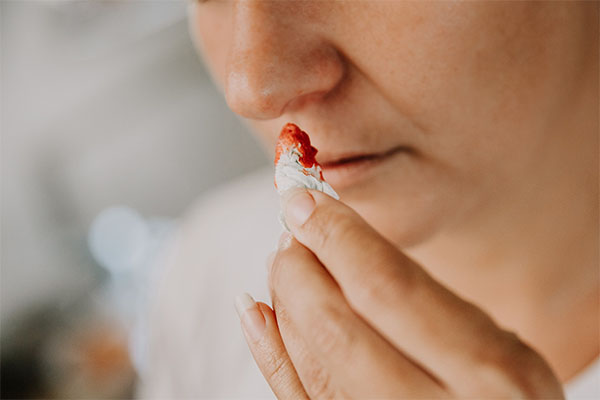
Redness and Inflammation: Patches of irritated skin, often around the mouth, chin, or fingers (areas exposed to vapor or device handling).
-
Itchy or Burning Sensations: A persistent urge to scratch, sometimes accompanied by a stinging feeling.
-
Bumps or Blisters: Small, raised lesions resembling hives or heat rash.
-
Dry, Flaky Skin: Rough patches caused by dehydration from VG or repeated irritation.
-
Swelling: Mild puffiness in affected areas, particularly if an allergic reaction is involved.
Vape rash can mimic other conditions like acne or eczema. However, its onset often correlates with vaping frequency or switching to a new e-liquid brand.
How Long Does Vape Rash Last? Factors Influencing Recovery
The duration of vape rash depends on its cause and the individual’s response:
-
Mild Irritation (3–7 Days) Rashes caused by temporary dryness or minor PG sensitivity typically resolve within a week if vaping is reduced or halted. Moisturizers and antihistamines can accelerate healing.
-
Allergic Reactions (1–3 Weeks) Rashes triggered by flavorings or metals may persist longer, especially if exposure continues. Full recovery often requires identifying and eliminating the allergen.
-
Chronic Cases (4+ Weeks) In rare instances, prolonged vaping can lead to lichenoid dermatitis—a stubborn, scaly rash requiring medical intervention.
Key Factors Affecting Duration:
-
Continued Vaping: Ongoing exposure delays healing.
-
Skin Care Routine: Neglecting moisturization prolongs symptoms.
-
Immune Health: Stress or poor diet can slow recovery.
Holistic Treatment: Diet, Sleep, Exercise, and Routine
While topical creams provide immediate relief, addressing vape rash long-term requires a whole-body approach.
1. Dietary Adjustments to Reduce Inflammation
What you eat directly impacts skin health. Focus on:
-
Anti-Inflammatory Foods: Incorporate omega-3-rich foods like salmon, walnuts, and flaxseeds to calm skin inflammation. Turmeric and ginger can also reduce redness.
-
Hydration: Counteract VG’s drying effects by drinking 2–3 liters of water daily. Herbal teas like chamomile add hydration while soothing internal inflammation.
-
Avoid Triggers: Cut back on dairy, sugar, and processed foods, which can exacerbate skin sensitivity.
Sample Meal Plan:
-
Breakfast: Oatmeal with berries and chia seeds.
-
Lunch: Grilled salmon salad with leafy greens and olive oil.
-
Snack: Almonds and green tea.
-
Dinner: Quinoa stir-fry with turmeric-spiced vegetables.
2. Sleep Optimization for Skin Repair
During deep sleep, the body produces collagen and repairs damaged skin. To enhance sleep quality:
-
Set a Schedule: Aim for 7–9 hours nightly, going to bed and waking at consistent times.
-
Create a Ritual: Avoid screens an hour before bed; opt for reading or meditation.
-
Cool, Dark Environment: Use blackout curtains and set the thermostat to 65°F (18°C).
Tip: Sleeping on a silk pillowcase reduces friction irritation for facial rashes.
3. Exercise for Detoxification and Circulation
Sweating helps expel toxins, while improved blood flow delivers nutrients to the skin.
-
Low-Impact Workouts: Yoga or swimming boosts circulation without stressing the skin.
-
Outdoor Activities: Sunlight exposure (in moderation) increases vitamin D, which supports immune function.
-
Post-Workout Care: Shower immediately to rinse off sweat and vapor residue clinging to the skin.
Avoid: High-intensity workouts in polluted environments, which may worsen inflammation.
4. Daily Routine Adjustments
Small habit changes can prevent recurrence:
-
Vaping Hygiene: Rinse your mouth and wash hands after vaping to remove residue.
-
Skin Care: Use fragrance-free moisturizers with ceramides to rebuild the skin barrier. Products containing aloe vera or colloidal oatmeal offer immediate relief.
-
Stress Management: Chronic stress elevates cortisol, worsening inflammation. Practice deep breathing or journaling to stay balanced.
Weekly Routine Example:
-
Morning: Cleanse skin, apply moisturizer with SPF.
-
Afternoon: Hydrate with water and herbal tea.
-
Evening: Gentle workout, followed by a warm (not hot) shower and moisturizing routine.
When to Seek Medical Help
While most vape rashes resolve with self-care, consult a dermatologist if:
-
The rash spreads or becomes painful.
-
Symptoms persist beyond a month despite treatment.
-
You develop accompanying issues like breathing difficulties (indicating a severe allergy).
Doctors may prescribe corticosteroid creams, oral antihistamines, or patch testing to identify specific allergens.
Prevention: Safer Vaping Practices
For those unwilling to quit vaping entirely:
-
Choose PG-Free E-Liquids: Opt for VG-based or “PG-free” options if sensitive.
-
Avoid Cheap Devices: Invest in high-quality hardware to minimize metal exposure.
-
Patch Test New Products: Apply a small amount of e-liquid to your forearm and wait 24 hours to check for reactions.
Vape rash, though uncomfortable, is often reversible with the right approach. By understanding what a vape rash looks like and how long it lasts, individuals can take proactive steps to heal. Combining anti-inflammatory diets, restorative sleep, mindful exercise, and consistent skincare not only addresses the rash but also enhances overall well-being. However, the most effective solution remains reducing or eliminating vaping—ensuring your skin and health stay resilient in the long term.
What Is in Vape Juice?
How Old Do You Have to Be to Vape?