Is Formaldehyde in Vapes?
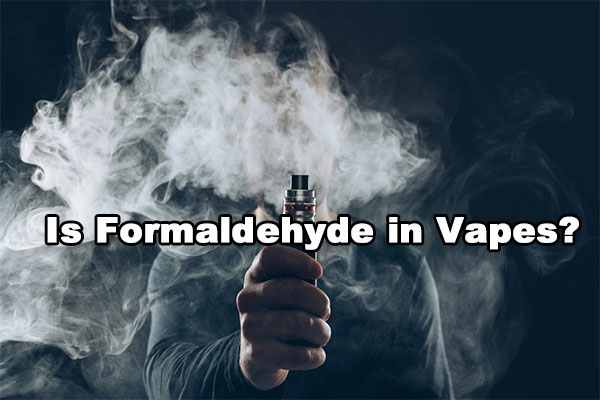
The rising popularity of vaping devices, particularly among younger demographics, has sparked intense debate about their safety. While marketed as a less harmful alternative to traditional cigarettes, concerns persist about the chemicals present in e-cigarette aerosols. One question that frequently arises is: Is there formaldehyde in vapes? This article explores the science behind formaldehyde formation in vaping devices, its potential health implications, and the ongoing discourse surrounding this controversial topic.
Understanding Formaldehyde: A Brief Overview
Formaldehyde is a colorless, strong-smelling gas widely used in industrial applications, such as manufacturing resins, plastics, and textiles. It is also a naturally occurring compound produced in small amounts by living organisms, including humans. However, formaldehyde is classified as a Group 1 carcinogen by the International Agency for Research on Cancer (IARC), meaning it is conclusively linked to cancer in humans. Prolonged exposure to high levels of formaldehyde has been associated with nasopharyngeal cancer, respiratory irritation, and other health issues.
In the context of vaping, the concern revolves around whether e-cigarettes produce formaldehyde as a byproduct of heating e-liquids. To answer the question "Is there formaldehyde in vapes?", we must first examine how vaping devices operate and under what conditions harmful compounds might form.
How Do Vapes Work? The Chemistry of Aerosolization
E-cigarettes function by heating a liquid (commonly called e-liquid or vape juice) to generate an inhalable aerosol. E-liquids typically contain a base of propylene glycol (PG) and vegetable glycerin (VG), combined with nicotine, flavorings, and other additives. When the device’s coil heats the liquid, it vaporizes these components. However, the heating process is not always perfectly controlled. If the temperature exceeds certain thresholds, PG and VG can undergo thermal decomposition, breaking down into smaller molecules—including formaldehyde and other carbonyl compounds.
This phenomenon raises a critical point: formaldehyde in vapes is not an inherent ingredient of e-liquids but rather a potential byproduct of improper heating. The conditions under which vaping occurs—such as device wattage, coil temperature, and user behavior—play a significant role in determining whether formaldehyde is produced.
Evidence of Formaldehyde in Vaping Aerosols
Research into formaldehyde levels in e-cigarettes has yielded mixed results, often leading to public confusion. Early studies in the mid-2010s detected alarmingly high levels of formaldehyde in aerosols, comparable to or exceeding those in traditional cigarettes. These findings suggested that under extreme conditions (e.g., high-voltage devices or "dry puff" scenarios where the coil overheats due to insufficient e-liquid), formaldehyde could indeed form.
However, critics argue that such studies do not reflect real-world vaping habits. For instance, "dry puffs" produce a harsh, unpleasant taste that most users would avoid. Subsequent research using more realistic conditions reported significantly lower formaldehyde levels, often far below those found in combustible cigarettes. This discrepancy highlights the importance of context when asking, "Is there formaldehyde in vapes?" The answer depends heavily on device settings, user behavior, and product quality.
Health Risks: Balancing Perception and Reality
The presence of formaldehyde in vapes, even in trace amounts, understandably raises health concerns. Chronic exposure to formaldehyde is undeniably harmful, but the dose and delivery method matter. Traditional cigarettes expose users to formaldehyde through combustion, which generates a complex mixture of thousands of chemicals, many of which are carcinogenic. In contrast, vaping aerosols contain fewer toxicants, but the long-term effects of inhaling heated e-liquids remain understudied.
Public Health England maintains that vaping is "at least 95% less harmful" than smoking, yet this estimate does not fully account for potential risks from compounds like formaldehyde. While occasional vaping at moderate temperatures may pose minimal risk, habitual use of high-powered devices could increase exposure to harmful byproducts. Vulnerable groups, such as adolescents and nonsmokers, face additional risks due to potential nicotine addiction and unknown long-term consequences.
Regulatory Challenges and Industry Accountability
The lack of standardized testing protocols for vaping devices complicates regulatory efforts. In the United States, the FDA has struggled to keep pace with the rapidly evolving market, allowing many products to remain on shelves without rigorous safety evaluations. Meanwhile, manufacturers often market devices with adjustable wattage and temperature controls, enabling users to inadvertently create conditions conducive to formaldehyde formation.
Critics argue that the industry must prioritize safety by improving device design—for example, incorporating temperature-limiting features or using materials that minimize overheating. Additionally, clearer labeling about potential risks could empower consumers to make informed decisions. Until then, the question "Is there formaldehyde in vapes?" will persist, fueled by inconsistent research and regulatory gaps.
Practical Advice for Vapers
For current vapers, mitigating formaldehyde exposure involves adopting safer practices:
- Avoid high-wattage settings: Higher power increases coil temperature, raising the risk of thermal decomposition.
- Prevent dry hits: Ensure the coil is adequately saturated with e-liquid to avoid overheating.
- Choose reputable brands: Low-quality devices may lack safety features to regulate temperature.
- Consider nicotine-free options: Reducing dependency could decrease overall exposure.
A Nuanced Answer to a Complex Question
So, is there formaldehyde in vapes? The evidence suggests that formaldehyde can form under specific conditions, but its presence is not inevitable. While vaping likely poses fewer risks than smoking, it is not risk-free. Users must weigh the benefits of smoking cessation against potential harms, and regulators must enforce stricter standards to ensure product safety. As research continues, transparency and education will be key to addressing public concerns about formaldehyde and other chemicals in vaping products. Ultimately, informed choices—not fear or complacency—should guide the future of vaping.
Disposable vs Refillable Vape: Understanding the Key Differences
Which is Worse Vaping or Smoking?