Is Vaping Bad for Pregnancy?
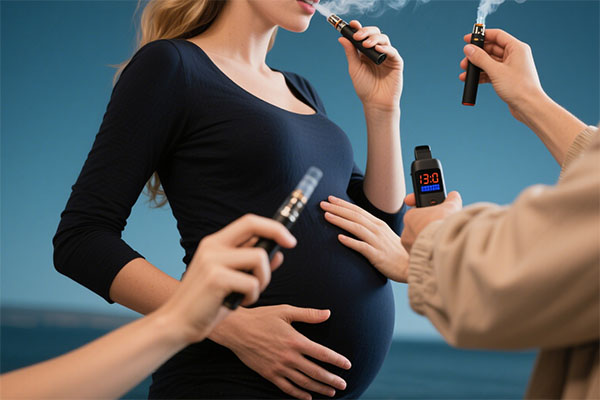
Pregnancy is a critical period where maternal choices directly influence fetal health. Vaping, often marketed as a safer alternative to smoking, has surged in popularity, including among pregnant individuals seeking to quit traditional cigarettes. However, emerging scientific evidence challenges the assumption that vaping is harmless during pregnancy. This article explores the biological mechanisms by which vaping—with or without nicotine—may harm fetal development, placental function, and long-term child health. By synthesizing current research, it aims to provide clarity on risks and inform safer choices for expectant mothers.
1.Understanding Vaping Components
Electronic cigarettes (e-cigarettes) heat a liquid solution (e-liquid) to generate an aerosol inhaled by users. Key components include:
- Propylene Glycol and Vegetable Glycerin: Base liquids that create vapor when heated.
- Flavoring Agents: Thousands of synthetic chemicals (e.g., diacetyl, cinnamaldehyde) added for taste.
- Nicotine: An optional addictive stimulant, often extracted from tobacco.
Heating these ingredients can produce toxic byproducts. For instance, propylene glycol degrades into formaldehyde, a known carcinogen, at high temperatures. Similarly, metal coils in vaping devices may release nanoparticles of lead or nickel into the aerosol. Unlike traditional cigarettes, vaping avoids combustion, but its chemical complexity introduces unique risks that are not yet fully understood.
2. How Does Vaping Affect Pregnancy?
Nicotine’s Impact
Nicotine, whether from vaping or smoking, crosses the placental barrier and enters the fetal bloodstream. It disrupts cholinergic signaling, a system vital for brain development. Prenatal nicotine exposure correlates with low birth weight, a risk factor for infant mortality and chronic diseases later in life. Animal studies reveal that nicotine alters neuronal connectivity in fetal brains, leading to hyperactivity and attention deficits resembling ADHD in humans.
Oxidative Stress and Toxins
Even nicotine-free vapes contain heavy metals like cadmium and volatile organic compounds (VOCs) such as benzene. These toxins induce oxidative stress, damaging fetal DNA and cellular structures. Research on placental cells shows that vaping aerosols reduce mitochondrial function, impairing energy production necessary for fetal growth. Rodent experiments further link prenatal vaping exposure to congenital heart defects, likely due to disrupted oxygen delivery during critical developmental windows.
Placental Dysfunction
The placenta, responsible for nutrient and oxygen transfer, is highly vulnerable to vaping chemicals. Nicotine constricts blood vessels in the uterus, reducing blood flow by up to 25% in some studies. Restricted blood supply limits fetal access to oxygen, increasing risks of intrauterine growth restriction (IUGR).
Flavoring additives exacerbate placental damage. Diacetyl, a buttery flavoring agent, triggers inflammation in placental tissues by activating pro-inflammatory cytokines. Chronic inflammation can lead to placental abruption, a life-threatening condition where the placenta detaches prematurely from the uterine wall.
Flavoring additives exacerbate placental damage. Diacetyl, a buttery flavoring agent, triggers inflammation in placental tissues by activating pro-inflammatory cytokines. Chronic inflammation can lead to placental abruption, a life-threatening condition where the placenta detaches prematurely from the uterine wall.
Long-Term Child Health Outcomes
Prenatal vaping exposure may predispose children to chronic conditions. For example, propylene glycol aerosols have been shown to alter fetal lung development in primates, increasing susceptibility to asthma and bronchiolitis. Neurobehavioral risks are equally concerning: longitudinal data suggest children exposed to nicotine in utero exhibit higher rates of impulsivity and learning difficulties by school age.
3. Is Zero Nicotine Vape Safe for Pregnancy? Hidden Dangers of Nicotine-Free Vapes
Toxic Flavoring Chemicals
Nicotine-free e-liquids still contain flavoring agents with poorly understood fetal effects. Cinnamaldehyde, used in cinnamon-flavored vapes, demonstrates cytotoxicity in human lung cell studies at concentrations equivalent to moderate vaping. Menthol, another common additive, inhibits fetal hemoglobin synthesis in experimental models, potentially reducing oxygen-carrying capacity in fetal blood.
Thermal Degradation Byproducts
Heating vegetable glycerin produces acrolein, a compound that disrupts trophoblast cell migration—a process essential for placenta formation. Inhaled formaldehyde, another byproduct, is classified as a Group 1 carcinogen by the International Agency for Research on Cancer (IARC). While adult tolerance thresholds exist, fetal tolerance levels for these compounds remain undefined.
Behavioral and Psychological Risks
Using nicotine-free vapes may normalize vaping behavior, increasing the likelihood of relapse to nicotine-containing products. For pregnant individuals with a history of smoking, this poses a significant risk. Additionally, stress from uncertainty about vaping safety can elevate maternal cortisol levels. High cortisol during pregnancy is associated with preterm birth and altered fetal stress response systems.
Regulatory and Research Shortcomings
No vaping product has been approved by regulatory bodies like the FDA for use during pregnancy. Current safety assessments rely heavily on short-term animal studies, which cannot replicate the complexity of human pregnancy. For example, a 2021 review noted that only 5% of vaping studies examined gestational impacts, leaving critical gaps in understanding long-term outcomes.
4. Alternatives and Recommendations
Evidence-Based Smoking Cessation
For pregnant individuals seeking to quit smoking, nicotine replacement therapy (NRT)—such as patches or gum—is safer than vaping. NRT provides controlled nicotine doses without exposing the fetus to vaping’s toxicants. Behavioral interventions, like cognitive therapy, also show efficacy in reducing smoking rates without pharmacological risks.Public Health Priorities
Healthcare providers must clearly communicate that vaping is not risk-free, even without nicotine. Prenatal care guidelines should include standardized screening for vaping and education on potential harms. Governments could mandate warning labels on vaping products, similar to those on cigarette packs, to deter use during pregnancy.
Future Research Needs
Large-scale human cohort studies tracking vaping mothers and their children are urgently needed. Priority research areas include:
Long-term neurodevelopmental outcomes.
Effects of specific flavoring agents on placental gene expression.
Comparisons between vaping, smoking, and NRT in pregnancy.
Long-term neurodevelopmental outcomes.
Effects of specific flavoring agents on placental gene expression.
Comparisons between vaping, smoking, and NRT in pregnancy.
Can you vape during pregnancy?—whether nicotine-free or not—introduces avoidable risks to fetal development and maternal health. While it may reduce exposure to some combustion toxins found in cigarettes, its chemical complexity and unregulated additives create new dangers. Until rigorous, long-term studies confirm the safety of vaping components, complete avoidance remains the prudent choice for expectant mothers. Healthcare systems must prioritize equitable access to proven smoking cessation tools, ensuring both mothers and children can thrive.
Can Vaping Cause Miscarriage?
Is Vaping Cheaper Than Smoking? A Detailed Examination