What is VG and PG in Vape?
The world of vaping has evolved into a complex landscape of devices, flavors, and terminologies. Among the most fundamental components of e-liquids are two ingredients frequently abbreviated as VG and PG. These substances form the backbone of vaping experiences, influencing everything from vapor production to throat sensation. Understanding their roles, differences, and interactions is essential for both new and experienced vapers seeking to optimize their experience. This article explores the science, practical applications, and considerations surrounding vegetable glycerin (VG) and propylene glycol (PG) in e-liquids.
The Basics: Defining VG and PG
Vegetable Glycerin (VG)
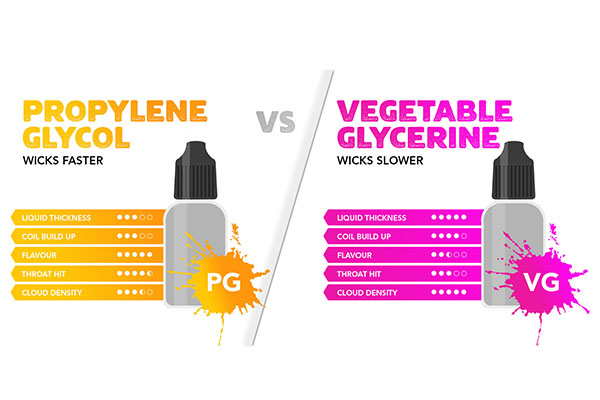
VG is a thick, sweet-tasting liquid derived from plant oils, commonly coconut, palm, or soy. Its chemical structure—a trihydric alcohol with three hydroxyl groups—gives it a viscous texture and hygroscopic properties, meaning it attracts and retains moisture. In addition to vaping, VG is widely used in food, pharmaceuticals, and cosmetics due to its non-toxic, hypoallergenic nature. Its high viscosity and ability to produce dense vapor clouds make it a favorite among cloud-chasing vapers.
VG is a thick, sweet-tasting liquid derived from plant oils, commonly coconut, palm, or soy. Its chemical structure—a trihydric alcohol with three hydroxyl groups—gives it a viscous texture and hygroscopic properties, meaning it attracts and retains moisture. In addition to vaping, VG is widely used in food, pharmaceuticals, and cosmetics due to its non-toxic, hypoallergenic nature. Its high viscosity and ability to produce dense vapor clouds make it a favorite among cloud-chasing vapers.
Propylene Glycol (PG)
PG is a thin, odorless, and nearly tasteless synthetic compound. Unlike VG, it has a lower viscosity and a sharper throat hit, mimicking the sensation of traditional cigarette smoking. PG is also a common ingredient in food additives, medical inhalers, and hygiene products. Its ability to carry flavors effectively and its thinner consistency make it a staple in many e-liquid formulations.
PG is a thin, odorless, and nearly tasteless synthetic compound. Unlike VG, it has a lower viscosity and a sharper throat hit, mimicking the sensation of traditional cigarette smoking. PG is also a common ingredient in food additives, medical inhalers, and hygiene products. Its ability to carry flavors effectively and its thinner consistency make it a staple in many e-liquid formulations.
Chemical and Physical Properties
The distinct characteristics of VG and PG stem from their molecular structures. VG's three hydroxyl groups create strong hydrogen bonds, resulting in its syrupy texture. This thickness affects how e-liquids flow in vaping devices: high-VG liquids may require specialized coils and wicks to avoid clogging. PG, with only two hydroxyl groups, is far less viscous, allowing it to vaporize efficiently at lower temperatures.
VG's boiling point is approximately 554°F (290°C), while PG boils at 370°F (188°C). This disparity impacts vaporization: PG vaporizes more readily, contributing to a smoother draw, whereas VG requires higher temperatures to produce thicker clouds. Additionally, VG's sweetness can subtly alter flavor profiles, often muting sharper notes, while PG's neutrality preserves the authenticity of flavors.
Functional Roles in E-Liquids
VG: The Cloud Producer
VG's primary role is to generate voluminous vapor. When heated, its dense molecular structure creates the billowy clouds many vapers enjoy. High-VG e-liquids (e.g., 70% VG or higher) are popular in sub-ohm devices, where low-resistance coils and high wattages maximize vapor production. However, VG's thickness can lead to slower wicking in certain tanks, potentially causing dry hits if the device isn't optimized for viscous liquids.
PG: The Flavor Carrier
PG excels at distributing flavor molecules evenly, resulting in a more intense and accurate taste. Its thin consistency ensures rapid absorption into wicks, making it ideal for smaller devices like pod systems. The throat hit from PG also appeals to former smokers transitioning to vaping, as it replicates the sharpness of cigarette smoke. However, some users find PG's harshness uncomfortable, especially at higher concentrations.
VG/PG Ratios: Balancing Preferences
E-liquid manufacturers blend VG and PG in varying ratios to cater to different preferences. Common blends include:
50/50: A balanced mix offering moderate vapor and throat hit, often used in entry-level devices.
70/30 (VG/PG): Favored for sub-ohm vaping, emphasizing clouds while retaining some flavor clarity.
Max VG (80%+): Prioritizes vapor density, though flavors may become muted.
High PG (60%+): Delivers strong throat hits and crisp flavors but minimal vapor.
Choosing a ratio depends on device compatibility and personal priorities. For example, a high-PG blend might suit someone using a discreet pod system for nicotine satisfaction, while a cloud enthusiast might opt for max VG in a powerful mod.
Health and Safety Considerations
Both VG and PG are classified as "Generally Recognized as Safe" (GRAS) by the FDA for oral consumption. However, inhalation safety remains a topic of ongoing research. When heated, these compounds can degrade into byproducts like formaldehyde or acrolein, though such reactions typically occur only under extreme overheating conditions (e.g., "dry puffing" with insufficient e-liquid). Proper device maintenance and avoiding excessive temperatures mitigate these risks.
Allergic reactions, though rare, are more commonly linked to PG. Symptoms include throat irritation, dry mouth, or skin rashes. Individuals sensitive to PG might switch to high-VG blends or nicotine salts, which allow lower PG concentrations without sacrificing satisfaction.
Practical Tips for Vapers
Device Compatibility:
High-VG liquids work best with sub-ohm tanks or rebuildable atomizers designed for thick liquids.
High-PG liquids are better suited for low-wattage pod systems or mouth-to-lung devices.
Flavor Adjustments:
If flavors taste weak in a high-VG blend, consider adding a drop of distilled water to thin the liquid slightly (avoid tap water to prevent mineral buildup).
Storage:
Keep e-liquids in cool, dark places to prevent oxidation, which can degrade both VG and PG over time.
Testing Sensitivity:
New vapers unsure of PG tolerance should start with a 50/50 blend and gradually adjust ratios based on comfort.
Myths and Misconceptions
"VG is entirely natural, so it's healthier": While VG is plant-derived, its safety when inhaled long-term isn't fully established.
VG and PG are the unsung heroes of vaping, each contributing unique properties that shape the user experience. Whether prioritizing flavor fidelity, throat sensation, or cloud production, understanding these ingredients empowers vapers to make informed choices. While debates about health implications persist, responsible use and device maintenance remain key to minimizing risks. As the industry grows, the interplay between VG and PG will continue to define the art and science of vaping.
"PG causes popcorn lung": Diacetyl, a chemical linked to this condition, hasn't been used in reputable e-liquids for years.
"Higher VG means more nicotine": Nicotine strength is independent of VG/PG ratios, though high-VG liquids sometimes use lower nicotine concentrations to balance harshness.
The Future of VG and PG in Vaping
As vaping technology advances, so does the exploration of alternative bases. Some companies experiment with synthetic cooling agents or hybrid formulas to enhance throat hit without PG. However, VG and PG remain industry standards due to their reliability, cost-effectiveness, and well-understood properties. Innovations in coil materials and temperature control may further optimize their performance, ensuring their relevance in the evolving market.
VG and PG are the unsung heroes of vaping, each contributing unique properties that shape the user experience. Whether prioritizing flavor fidelity, throat sensation, or cloud production, understanding these ingredients empowers vapers to make informed choices. While debates about health implications persist, responsible use and device maintenance remain key to minimizing risks. As the industry grows, the interplay between VG and PG will continue to define the art and science of vaping.
Is Vaping Cheaper Than Smoking? A Detailed Examination
What Vape Has the Most Puffs? The NEXA ULTRA 40000 Puffs Revolution