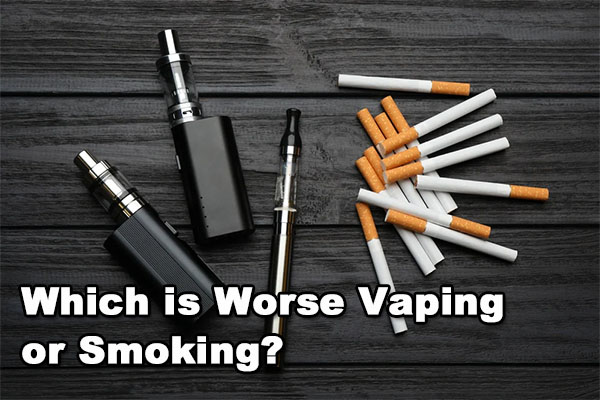
Which is Worse Vaping or Smoking?
The question which is worse vaping or smoking has become a focal point in public health debates, pitting decades of research on tobacco’s dangers against emerging concerns about e-cigarettes. While smoking remains a leading cause of preventable death globally, vaping’s rapid rise as a “modern alternative” has created confusion. Is vaping truly a harm-reduction tool, or does it pose unique risks that could rival—or even surpass—those of smoking? To answer is vaping safer than smoking or is smoking worse than vaping, we must dissect the science, societal trends, and long-term implications of both habits.
The Chemistry of Combustion vs. Aerosol
At the core of the debate which is worse cigarettes or vaping lies a fundamental difference: combustion versus vaporization. Traditional cigarettes burn tobacco, generating smoke laden with carcinogens like tar, carbon monoxide, and benzene. These toxins damage nearly every organ, contributing to cancers, heart disease, and respiratory failure. In contrast, vaping devices heat e-liquids to produce an aerosol, eliminating combustion and reducing exposure to many harmful byproducts.
However, the absence of smoke does not equate to safety. E-liquids contain nicotine, often at levels comparable to cigarettes, along with solvents like propylene glycol and vegetable glycerin. When heated, these substances can degrade into formaldehyde and acetaldehyde—chemicals linked to cancer. Additionally, flavor additives such as diacetyl (found in buttery or creamy flavors) have been associated with “popcorn lung,” a severe respiratory condition. Thus, while vaping may remove some risks of smoking, it introduces new unknowns. The question is vaping or cigarettes worse cannot be answered without acknowledging that both deliver toxins, albeit through different mechanisms.
Short-Term vs. Long-Term Health Impacts
Smoking’s health consequences are well-documented: it kills up to two-thirds of long-term users, shortening lifespans by an average of 10 years. Diseases like lung cancer, COPD, and emphysema develop over years of exposure to smoke’s cumulative damage. Vaping, however, lacks this longitudinal data. Most studies span less than a decade, making it difficult to assess risks like cancer or chronic lung disease.
Short-term comparisons often frame vaping as less harmful. For instance, smokers who switch to vaping report improved lung function and reduced coughing. Yet vaping is not risk-free. Cases of EVALI (e-cigarette or vaping-associated lung injury), linked to vitamin E acetate in illicit THC cartridges, hospitalized thousands in 2019. Even nicotine-only vaping has been tied to acute lung inflammation and increased susceptibility to infections. When weighing is smoking worse than vaping, the answer may depend on timeframe: smoking’s lethality is undeniable in the long run, but vaping’s immediate risks are still unfolding.
Nicotine Addiction: A Shared Foundation
Both habits hinge on nicotine, a highly addictive stimulant that rewires brain chemistry. Smoking delivers nicotine rapidly, with each puff triggering dopamine release within seconds. Vaping devices, particularly JUUL-style pods, mimic this efficiency, delivering nicotine concentrations as high as 59 milligrams per milliliter—equivalent to a pack of cigarettes. This raises concerns about vaping’s role in sustaining nicotine dependence, especially among youth.
The argument is vaping better than smoking cigarettes often centers on harm reduction. For adult smokers struggling to quit, vaping could serve as a transitional tool. However, for non-smokers—particularly adolescents—vaping’s appeal (sweet flavors, sleek designs) creates a gateway to addiction. In 2023, the CDC reported that over 2.5 million U.S. middle and high school students vaped regularly, with many unaware of nicotine’s presence in their devices. This complicates the question is vaping safer than smoking, as vaping’s societal impact extends beyond individual health risks.
Environmental and Social Considerations
The debate which is worse smoking or vaping also extends beyond personal health. Cigarette butts, laden with microplastics and toxic residues, are the most littered item globally, polluting ecosystems and waterways. Vaping generates waste too: disposable e-cigarettes contain lithium batteries and plastics that rarely get recycled. The environmental footprint of both habits underscores their broader costs.
Socially, smoking has declined in many nations due to taxes, bans, and education campaigns. Vaping, meanwhile, thrives in a regulatory gray area. Aggressive marketing on social media portrays vaping as trendy and harmless, overshadowing warnings about nicotine addiction. This normalization risks eroding progress against smoking, particularly if young vapers later transition to cigarettes—a phenomenon observed in recent studies.
The Problem of Dual Use
A critical oversight in the is vaping or smoking worse debate is dual use—individuals who both smoke and vape. Nearly 60% of adult vapers continue smoking, often under the mistaken belief that vaping offsets smoking’s harms. In reality, dual users face compounded risks: heightened exposure to toxins from both sources and prolonged nicotine dependence. This undermines vaping’s potential as a cessation aid and blurs the line between harm reduction and harm escalation.
The Uncertainty of Long-Term Vaping Effects
A recurring challenge in comparing smoking and vaping is the lack of long-term data on e-cigarettes. Smoking’s risks took decades to fully understand, and vaping’s trajectory remains unclear. Preliminary research suggests that chronic vaping may impair blood vessel function, increase heart attack risk, and cause DNA damage similar to smoking. Yet definitive links to diseases like cancer remain unproven. Until multi-decade studies emerge, claims that vaping is “95% safer” or “equally dangerous” remain speculative.
So, which is worse smoking cigarettes or vaping? Smoking undeniably causes more preventable deaths today, but vaping’s risks—especially for non-smokers and youth—cannot be dismissed. For current smokers, switching entirely to vaping may reduce harm. For everyone else, vaping introduces unnecessary risks, including addiction and lung injury.
The answer to is smoking or vaping worse ultimately depends on context. Smoking is deadlier in the long term, but vaping’s popularity among teens and unregulated market pose unique public health threats. Both habits demand rigorous regulation, education, and support for cessation. In a world striving to eliminate nicotine addiction, neither smoking nor vaping can be considered safe—only varying degrees of danger.
for more vaping products checking in our site .
Is Formaldehyde in Vapes?
What Is a Cart Vape?