Why Is My Vape Leaking?
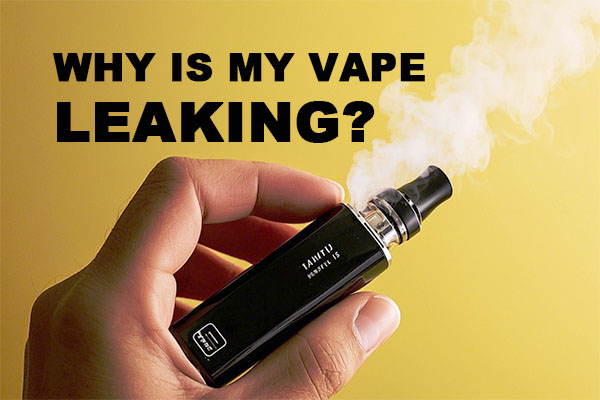
Vape leakage is a pervasive issue that frustrates both novice and experienced users, often leading to wasted e-liquid, messy devices, and even potential health concerns if unvaporized nicotine enters the mouth. While the problem is common across brands and device types, understanding the root causes and implementing preventive measures can significantly reduce leakage. This article explores the multifaceted reasons behind vape leaks, actionable solutions, and a focused analysis of recurring leakage complaints associated with GEEK-branded devices.
Common Causes of Vape Leaks
1. Overfilling or Improper E-Liquid Management
Overfilling the tank is a frequent mistake, especially among new users. E-liquids require space for airflow and pressure regulation within the tank. When the tank is filled beyond its capacity, excess liquid can flood the coil or seep into the airflow system, leading to leaks. Additionally, rapid filling can trap air bubbles, disrupting the vacuum seal that prevents e-liquid from escaping.
Prevention:
Follow the manufacturer’s recommended fill level, typically marked on the tank. Most devices advise filling to 70–80% capacity to maintain proper pressure balance.
Add e-liquid slowly and pause periodically to allow air to escape, ensuring the coil saturates evenly without flooding.
2. Damaged or Misaligned Components
Vape devices rely on precise engineering, with seals, O-rings, and threaded connections ensuring airtight functionality. Over time, these components can degrade, crack, or become misaligned due to rough handling or frequent disassembly. A compromised seal—such as a torn O-ring or loose tank threading—creates pathways for e-liquid to leak.
Vape devices rely on precise engineering, with seals, O-rings, and threaded connections ensuring airtight functionality. Over time, these components can degrade, crack, or become misaligned due to rough handling or frequent disassembly. A compromised seal—such as a torn O-ring or loose tank threading—creates pathways for e-liquid to leak.
Prevention:
Regularly inspect O-rings and seals for wear, replacing them if they appear cracked or flattened.
When reassembling the device, ensure all components are aligned and tightened gently to avoid cross-threading.
3. Incorrect Usage Habits
User behavior plays a significant role in leakage. For example, inhaling too forcefully or holding the device at improper angles (e.g., upside down) can overwhelm the coil’s wicking capacity, causing e-liquid to pool in the airflow chamber. Similarly, blowing into the mouthpiece—a habit carried over from traditional smoking—can force liquid into the airflow system, exacerbating leaks.
User behavior plays a significant role in leakage. For example, inhaling too forcefully or holding the device at improper angles (e.g., upside down) can overwhelm the coil’s wicking capacity, causing e-liquid to pool in the airflow chamber. Similarly, blowing into the mouthpiece—a habit carried over from traditional smoking—can force liquid into the airflow system, exacerbating leaks.
Prevention:
Hold the device upright or slightly tilted downward during use to prevent gravity from pulling liquid into the airflow.
Take slow, steady draws rather than sharp inhales to maintain consistent vaporization.
4. Environmental Factors
Temperature fluctuations and prolonged storage can destabilize e-liquid viscosity. In cold environments, e-liquid thickens, potentially clogging the coil and causing pressure imbalances. Conversely, heat thins the liquid, increasing the risk of leakage through seals. Storing a partially filled tank for extended periods also disrupts internal pressure, leading to seepage.
Temperature fluctuations and prolonged storage can destabilize e-liquid viscosity. In cold environments, e-liquid thickens, potentially clogging the coil and causing pressure imbalances. Conversely, heat thins the liquid, increasing the risk of leakage through seals. Storing a partially filled tank for extended periods also disrupts internal pressure, leading to seepage.
Prevention:
Store devices at room temperature and avoid leaving them in direct sunlight or freezing conditions.
Empty the tank before long-term storage to prevent residual e-liquid from degrading seals.
5. Coil and Wicking Issues
Sub-ohm coils and high-VG e-liquids are prone to leakage if the wicking material cannot absorb liquid efficiently. A worn-out coil or one with insufficient cotton density may fail to retain e-liquid, allowing it to drain into the base.
Sub-ohm coils and high-VG e-liquids are prone to leakage if the wicking material cannot absorb liquid efficiently. A worn-out coil or one with insufficient cotton density may fail to retain e-liquid, allowing it to drain into the base.
Prevention:
Replace coils regularly, adhering to the manufacturer’s lifespan guidelines (typically 1–2 weeks).
For rebuildable atomizers, ensure cotton is snug within the coil—neither too tight nor too loose—to optimize absorption.
Addressing GEEK Vape Leakage Complaints:Why is My Geek Vape Leaking?
GEEK vapes, known for their customizable features and high-performance designs, have faced user reports of persistent leakage, particularly in models like the GEEK Bar and GEEK Vape Aegis series. Based on recurring issues and troubleshooting discussions, the following factors are likely contributors:
1. Coil Compatibility and Quality Control
Some users note that third-party or counterfeit coils—often marketed as compatible with GEEK devices—fail to align perfectly with the tank’s design, leading to gaps or poor sealing. Even genuine coils may suffer from manufacturing defects, such as uneven cotton distribution.
Some users note that third-party or counterfeit coils—often marketed as compatible with GEEK devices—fail to align perfectly with the tank’s design, leading to gaps or poor sealing. Even genuine coils may suffer from manufacturing defects, such as uneven cotton distribution.
Solutions:
Use only coils certified by GEEK to ensure compatibility.
Inspect new coils for defects before installation, checking for uniform wicking material and intact O-rings.
2. Airflow System Design Flaws
Certain GEEK models feature adjustable airflow systems that, if improperly configured, can create negative pressure imbalances. For instance, wide-open airflow settings combined with high-wattage vaping may overwhelm the coil’s vaporization rate, causing liquid to seep through air vents.
Certain GEEK models feature adjustable airflow systems that, if improperly configured, can create negative pressure imbalances. For instance, wide-open airflow settings combined with high-wattage vaping may overwhelm the coil’s vaporization rate, causing liquid to seep through air vents.
Solutions:
Adjust airflow to a moderate setting, balancing vapor production and coil efficiency.
Avoid chain vaping (repeated rapid draws), which strains the coil’s ability to vaporize e-liquid.
3. Pod Connection Issues
GEEK’s pod-based systems, like the GEEK Bar, occasionally suffer from poor pod-to-battery connections. Misalignment or debris in the contact area can prevent the pod from seating securely, breaking the vacuum seal and enabling leaks.
GEEK’s pod-based systems, like the GEEK Bar, occasionally suffer from poor pod-to-battery connections. Misalignment or debris in the contact area can prevent the pod from seating securely, breaking the vacuum seal and enabling leaks.
Solutions:
Clean the pod and battery contacts regularly with a cotton swab and isopropyl alcohol.
Ensure the pod clicks firmly into place when inserted.
4. E-Liquid Recommendations
GEEK devices are optimized for specific e-liquid viscosities. High-PG (propylene glycol) blends, which are thinner, may leak more easily in sub-ohm tanks designed for high-VG (vegetable glycerin) liquids.
GEEK devices are optimized for specific e-liquid viscosities. High-PG (propylene glycol) blends, which are thinner, may leak more easily in sub-ohm tanks designed for high-VG (vegetable glycerin) liquids.
Solutions:
Use e-liquids with a VG/PG ratio of 70/30 or higher in sub-ohm tanks.
For pod systems, adhere to the manufacturer’s recommended ratios (often 50/50).
Proactive Measures to Minimize Leaks
Routine Maintenance
Routine Maintenance
Disassemble and clean the tank weekly to remove residue and inspect seals.
Replace O-rings every 3–6 months, or sooner if they show signs of wear.
Proper Storage Practices
Store devices upright to keep e-liquid away from airflow components.
Remove pods or tanks when not in use for extended periods.
Vape leakage stems from a combination of design limitations, user error, and environmental factors. While brands like GEEK continue refining their products, users can mitigate leaks through mindful practices—such as proper filling, routine maintenance, and using compatible components. As the industry evolves, advancements in materials (e.g., ceramic coils) and pressure-regulation systems promise to reduce leakage, enhancing the vaping experience for all. For GEEK users, adhering to brand-specific troubleshooting steps and avoiding third-party accessories can resolve most issues, ensuring reliable performance and longevity.
How Old Do You Have to Be to Vape?
Why Do People Vape?