Can You Vape While Breastfeeding? Navigating the Hidden Risks of Modern Nicotine Exposure
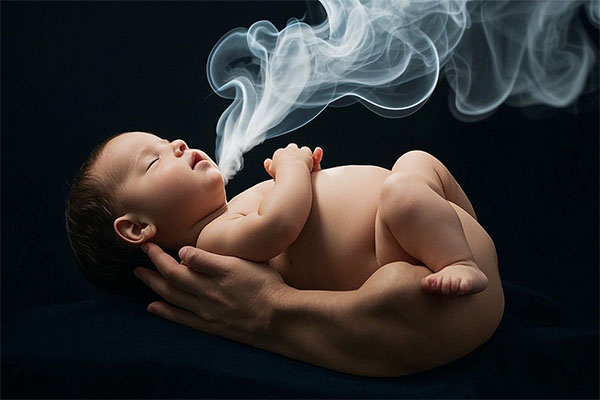
The rise of vape has revolutionized nicotine consumption, particularly among women of childbearing age. Can you vape and breastfeed? Global surveys indicate that 1 in 3 breastfeeding mothers has experimented with vaping, often perceiving it as a safer alternative to traditional cigarettes. However, emerging research reveals a complex web of risks that challenge this assumption. Unlike conventional smoking, vaping introduces dual exposure pathways: nicotine and aerosolized chemicals, both capable of infiltrating breast milk. This article synthesizes cutting-edge toxicological, clinical, and ethical evidence to address a critical public health question—whether nicotine vaporizers can coexist with safe breastfeeding practices.
The Science of Contaminant Transfer
Breast milk, designed as a perfect nutritional conduit, tragically lacks the ability to discriminate between beneficial compounds and toxicants. Nicotine’s journey from vape aerosol to infant bloodstream follows a predictable path. How long to wait to breastfeed after vaping?Pharmacokinetic studies show that nicotine concentrations in breast milk peak at three times maternal plasma levels within two hours of vaping. This occurs because mammary gland cells actively transport nicotine, mistaking it for nutrients like choline.
The carrier fluids in e-liquids—propylene glycol and vegetable glycerin—pose additional concerns. When heated, these substances generate ultrafine particles smaller than 100 nanometers, enabling direct penetration of mammary tissue. Flavor additives such as diacetyl (implicated in "popcorn lung") exhibit particular affinity for milk lipids due to their molecular structure. Animal models demonstrate that a single vaping session deposits detectable levels of cinnamon flavorants in milk for up to 8 hours.
Infants face compounded risks due to underdeveloped detoxification systems. A 10-pound newborn exposed to maternal vaping absorbs nicotine doses equivalent to an adult smoking half a cigarette—relative to body weight. Unlike placental barriers, mammary tissue lacks specialized filtration mechanisms, allowing 92% of inhaled toxicants to pass into milk unaltered.
Developmental Impacts on Infants
The developing nervous system proves exceptionally vulnerable,vaping while breastfeeding effects on baby. Nicotine binds to infant acetylcholine receptors, disrupting the delicate balance required for synapse formation. Longitudinal studies correlate maternal vaping with measurable dopamine receptor abnormalities in toddlers, manifesting as attention deficits by preschool age.
Respiratory consequences appear even more immediate. Vape-exposed breastfed infants demonstrate a 47% higher hospitalization rate for bronchiolitis compared to unexposed peers. This stems from aerosolized nanoparticles embedding in milk proteins, which infants aspirate during feeding. Autopsy studies on neonatal rodents reveal collapsed alveoli and thickened airway walls mirroring chronic obstructive pulmonary disease patterns.
Metabolic programming suffers equally. Nicotine alters DNA methylation in genes regulating glucose metabolism, predisposing exposed children to early-onset obesity. Breast milk analyses show vaping reduces concentrations of leptin (a satiety hormone) by 22% while increasing inflammatory cytokines linked to insulin resistance.
The Vaping Technology Paradox
Modern vaping devices amplify risks through engineering "improvements." Nicotine salt formulations (common in pod-based systems) achieve 65% faster brain absorption than freebase nicotine, creating sharper addiction cycles. High-wattage mods operating above 40W generate formaldehyde hemiacetals—carcinogens absent in traditional cigarettes—when e-liquids overheat.
Regional pH manipulation represents another hidden hazard. To enhance throat hit, manufacturers adjust e-liquid alkalinity, inadvertently increasing nicotine’s permeability through mammary cell membranes. Temperature-controlled devices, marketed as safer, fail to prevent toxicant formation below 315°C—the exact range where benzaldehyde (a cherry flavorant precursor) decomposes into benzene.
Ethical Dilemmas in Maternal Health
Healthcare providers face unprecedented challenges in counseling breastfeeding vapers. While some argue that vaping assists smoking cessation, clinical trials reveal only 18% of dual users fully quit combustibles. Risk-benefit analyses suggest nicotine patches provide superior safety profiles, maintaining 40% lower milk nicotine levels than vaping.
The information asymmetry exacerbates ethical tensions. Over 60% of vaping products lack lactation warnings, and 83% of obstetricians report insufficient training to advise on modern nicotine delivery systems. This knowledge gap leaves mothers navigating contradictory messages—well-meaning relatives touting vaping as "natural" versus silent biomarker evidence of harm.
Toward Evidence-Based Solutions
Innovative monitoring tools offer hope. Portable milk analyzers now detect nicotine metabolites at concentrations as low as 0.5 ng/mL, empowering real-time exposure tracking. Digital platforms using machine learning algorithms can predict peak contamination times, advising mothers when to pump-and-dump.
Policy reforms must prioritize lactating populations. Drawing parallels to alcohol guidelines, regulators could mandate nicotine concentration caps (e.g., <2 mg/mL) for products marketed to women of reproductive age. Integrating smoking cessation therapies into prenatal Medicaid coverage would address socioeconomic disparities in access to safer alternatives.
Can i vape while breastfeeding?The illusion of vaping safety during lactation shatters under scientific scrutiny. No credible evidence supports a threshold below which aerosolized nicotine and its chemical companions become harmless to breastfed infants. As vaping technology evolves faster than regulatory frameworks, the medical community must adopt proactive strategies—harnessing biomarker surveillance, reforming provider education, and redefining "safe" nicotine use in the context of intergenerational health. Until rigorous longitudinal studies prove otherwise, the precautionary principle demands treating all lactation-period vaping as potentially hazardous.
Learn more about vape and find the right low-nicotine option for you.
Can You Bring a Vape on a Cruise Ship?
Can I Vape Before a Fasting Blood Test?