How Old Do You Have to Be to Vape?
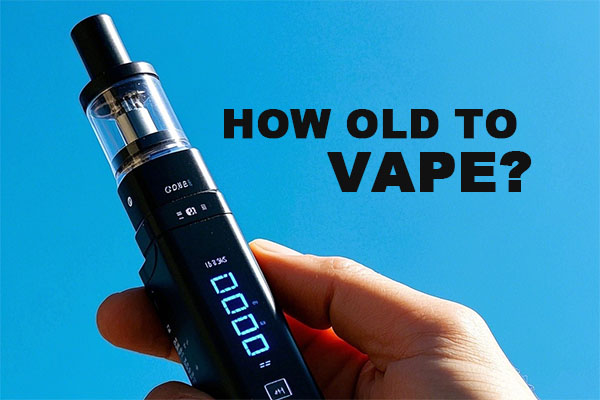
The question of how old to buy a vape has become a focal point in global public health debates as vaping surges in popularity among adolescents and young adults. E-cigarettes, initially marketed as smoking cessation tools, now face scrutiny for their role in normalizing nicotine use and attracting underage users. Governments, health organizations, and communities grapple with establishing age restrictions that balance harm reduction for adult smokers with youth protection. This article examines the legal frameworks, health implications, and societal pressures shaping age-related vaping policies, while addressing common queries like how old do you need to be to vape and how old to vape without violating regulations.
Legal Age Restrictions: A Global Patchwork
Laws dictating how old to buy vapes vary widely across countries, reflecting cultural attitudes and public health priorities. In the United States, federal law prohibits the sale of vaping products to anyone under 21, a policy enacted in 2019 to curb rising teen vaping rates. However, enforcement inconsistencies persist. For example, some states allow 18-year-olds to purchase nicotine-free vaping devices, creating loopholes. In contrast, the United Kingdom sets the minimum age at 18, aligning with its smoking laws, while countries like Japan and India enforce stricter bans, prohibiting sales to anyone under 20 or 21, respectively.
The disparity in regulations fuels confusion. A 2023 survey by the Centers for Disease Control and Prevention (CDC) found that 30% of U.S. teens incorrectly believed the legal age to purchase vaping products was 18, highlighting gaps in public awareness. Similarly, phrases like how old do u have to be to vape dominate online searches, underscoring the need for clearer communication about regional laws.
Health Risks and Adolescent Vulnerability
The debate over how old to vape is rooted in mounting evidence about nicotine’s impact on developing brains. Adolescent brains, particularly the prefrontal cortex responsible for decision-making, remain malleable until the mid-20s. Nicotine exposure during this period can disrupt synaptic plasticity, increasing susceptibility to addiction and impairing cognitive functions like attention and memory. A longitudinal study published in Pediatrics linked teen vaping to a 60% higher likelihood of developing depression by early adulthood.
Critics of lenient age limits argue that even "nicotine-free" vapes pose risks. Many devices contain trace nicotine levels due to lax manufacturing standards, while flavoring chemicals like diacetyl have been associated with lung damage. Dr. Bonnie Halpern-Felsher, a Stanford University pediatrician, warns that framing vaping as a "safer" alternative ignores its unique dangers for youth: "The question isn’t just how old to buy a vape—it’s whether non-smokers should vape at all."
Social Dynamics and Peer Influence
Cultural normalization of vaping complicates age enforcement. Social media platforms, where influencers often glamorize cloud-chasing or flavored vapes, amplify curiosity among minors. A 2022 report by Truth Initiative revealed that 65% of teens first tried vaping because friends offered it, with many underestimating the legal age. Queries like how old do you need to be to vape often arise in contexts where underage users seek validation for clandestine use.
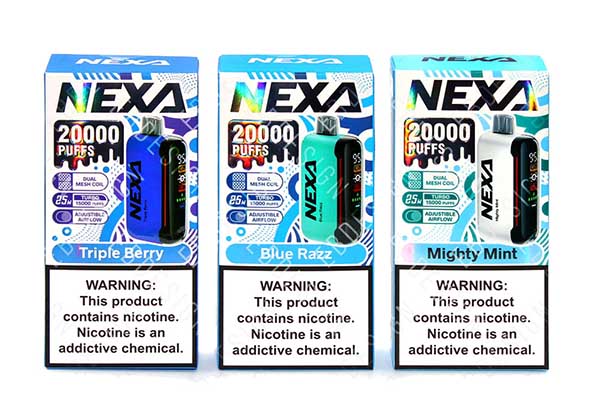
Device design further blurs boundaries. Disposable vapes like Elf Bar, sold in candy-like packaging and fruit flavors, appeal to younger demographics. While retailers claim to verify age at purchase, online sales and third-party vendors frequently bypass checks. A sting operation in California found that 40% of online vape shops failed to require age verification upon delivery.
Policy Enforcement Challenges
Enforcing how old to buy vapes laws remains fraught with obstacles. Many jurisdictions rely on retailer compliance, but penalties for violations are often minimal. In Australia, where vaping products require a prescription for those under 18, a black market for disposable vapes has flourished, with teens reporting easy access through social media groups. Similarly, Canada’s ban on flavored vapes has driven youth to cross-border purchases or DIY e-liquid mixing.
Schools and parents also struggle to detect vaping. Devices resembling USB drives or pens evade traditional anti-smoking measures, while nicotine salts in e-liquids produce less visible vapor. A principal in Texas noted, "We’re confiscating vapes weekly, but students keep finding new ways to hide them."
Industry Accountability and Marketing Tactics
Critics accuse vaping companies of exploiting ambiguities in how old to vape regulations. Early marketing campaigns, such as Juul’s "Vaporized" campaign, targeted young adults with sleek, tech-inspired designs and social media influencers. Though such practices are now restricted in many regions, loopholes persist. For instance, "zero-nicotine" vapes—often marketed as lifestyle accessories—remain accessible to minors in some areas, despite evidence that they serve as gateways to nicotine addiction.
Public health advocates urge stricter advertising bans and standardized packaging. The World Health Organization (WHO) recommends plain packaging with health warnings, akin to tobacco products, to reduce appeal to youth. However, industry lobbyists argue that such measures penalize adult smokers seeking alternatives.
Parental and Educational Interventions
Addressing how old do u have to be to vape requires proactive education. Schools increasingly integrate vaping risks into health curricula, emphasizing nicotine’s addictive potential and long-term consequences. Parental vigilance is equally critical. Open dialogues about peer pressure and misinformation can demystify vaping. Tools like home nicotine test kits, which detect residue on clothing or devices, empower families to identify early use.
Community programs also play a role. In New Zealand, a government-backed campaign, "Vape-Free Teens," uses TikTok-style videos to debunk myths about vaping safety. Early results show a 15% decline in teen vaping rates in pilot regions.
The Road Ahead: Balancing Harm Reduction and Protection
The question of how old to buy a vape hinges on reconciling conflicting priorities. For adult smokers, e-cigarettes offer a less harmful alternative to combustible tobacco. Yet, for non-smoking youth, vaping introduces unnecessary risks. Some experts propose tiered regulations: stricter age limits (e.g., 21+) for flavored or high-nicotine products, while permitting lower-nicotine options for older adults.
Technological solutions, such as biometric age verification on vaping devices, could curb underage access. Meanwhile, global collaboration to standardize laws—and close cross-border loopholes—remains essential.
Determining how old you need to be to vape is not merely a legal formality but a public health imperative. While age restrictions aim to shield adolescents, their effectiveness depends on consistent enforcement, industry transparency, and societal commitment to prioritizing youth well-being over commercial interests. As research evolves and policies adapt, the ultimate goal remains clear: to prevent a new generation from becoming dependent on nicotine while preserving harm reduction pathways for those who need them. Until then, the search for answers to how old to vape will continue to shape legislative and cultural landscapes worldwide.
How to Get Rid of Vape Rash?
Why Is My Vape Leaking?